
3 posts tagged with "resume-design"

View All Tags

The Hidden Cost of 'Pretty' Resume Templates

· 8 min read
The Hidden Cost of 'Pretty' Resume Templates

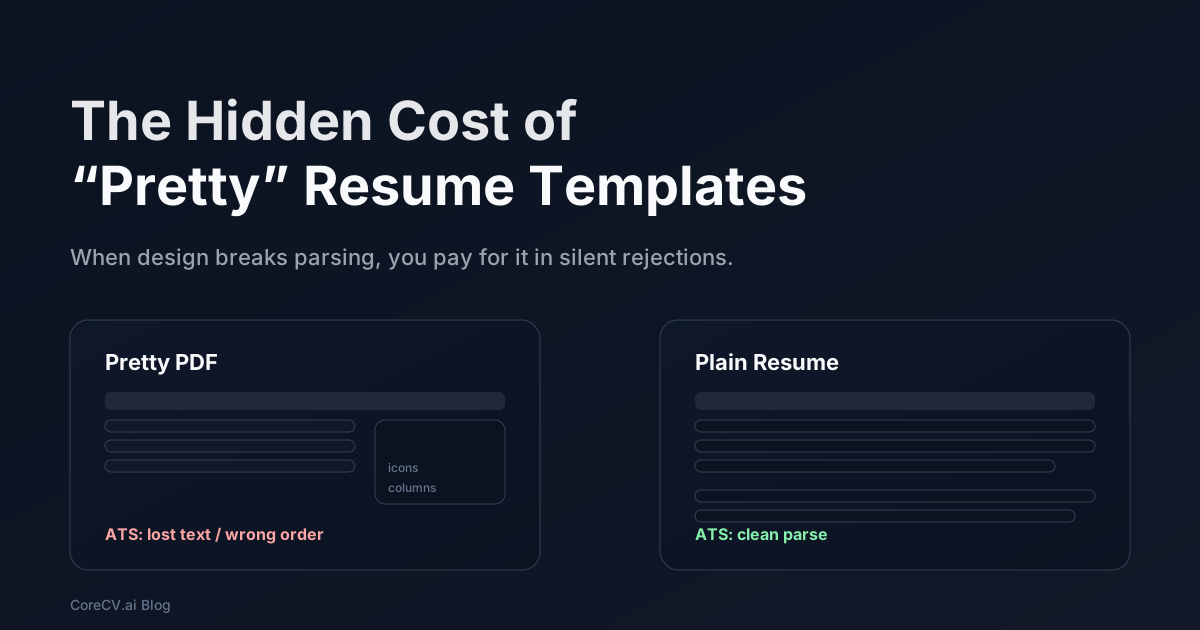
A "pretty" resume template feels like a shortcut. Paste your experience into a modern two-column layout, add a skills sidebar with icons, export a clean PDF, and you are done.

The hidden cost is that many hiring pipelines never see your resume the way you do. They parse it, guess a reading order, index whatever text survived, and only then does a recruiter scan it quickly. If the design breaks that chain, you do not get an error message. You just get silence.
Design Your Resume Like a Product: UX Principles for Job Seekers

· 7 min read
Design Your Resume Like a Product: UX Principles for Job Seekers

A resume is not just a work-history document. It is an interface.

The user is a hiring manager or recruiter with limited time, high volume, and a fast yes/no decision loop. Tufts Career Center notes that recruiters may spend only about 6 to 8 seconds on an initial resume pass, often while managing many openings and large applicant volume. [1] If your strongest evidence is buried, you lose before your experience is evaluated.

Treat your resume the way product teams treat high-stakes screens: design for the real user, under real constraints.

Design vs. Content: What Matters Most in a Tech Resume

· 12 min read
Design vs. Content: What Matters Most in a Tech Resume

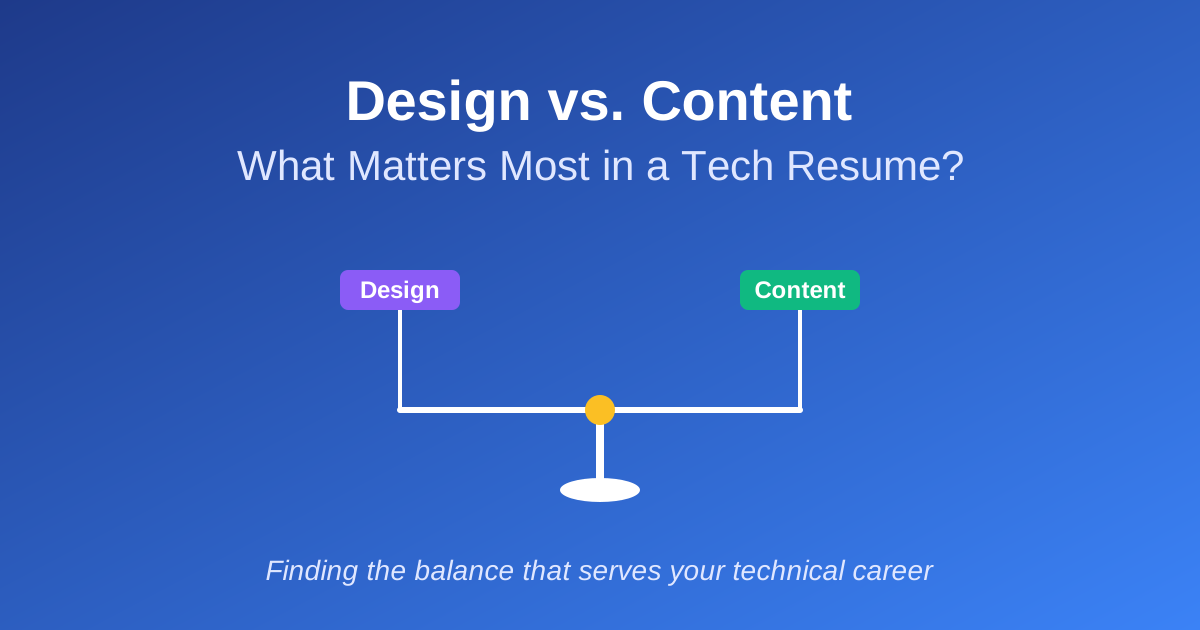
The debate over resume design versus content often devolves into false binaries: either you need a visually stunning resume to stand out, or design is completely irrelevant and only content matters. Both extremes miss the point. The real question isn't whether design matters - it's what kind of design serves your content, and when design choices actively work against you.

For tech professionals, this distinction is critical. Your resume needs to communicate technical depth, project complexity, and problem-solving ability. Design can either facilitate that communication or obstruct it. Understanding where design helps, where it hurts, and how to apply structural principles that enhance readability will determine whether your resume works for you or against you.