17 posts tagged with "interviews"

View All Tags

AI Made Applications Easier. Work Samples Can Be the Trust Layer.

· 6 min read
AI Made Applications Easier. Work Samples Can Be the Trust Layer.

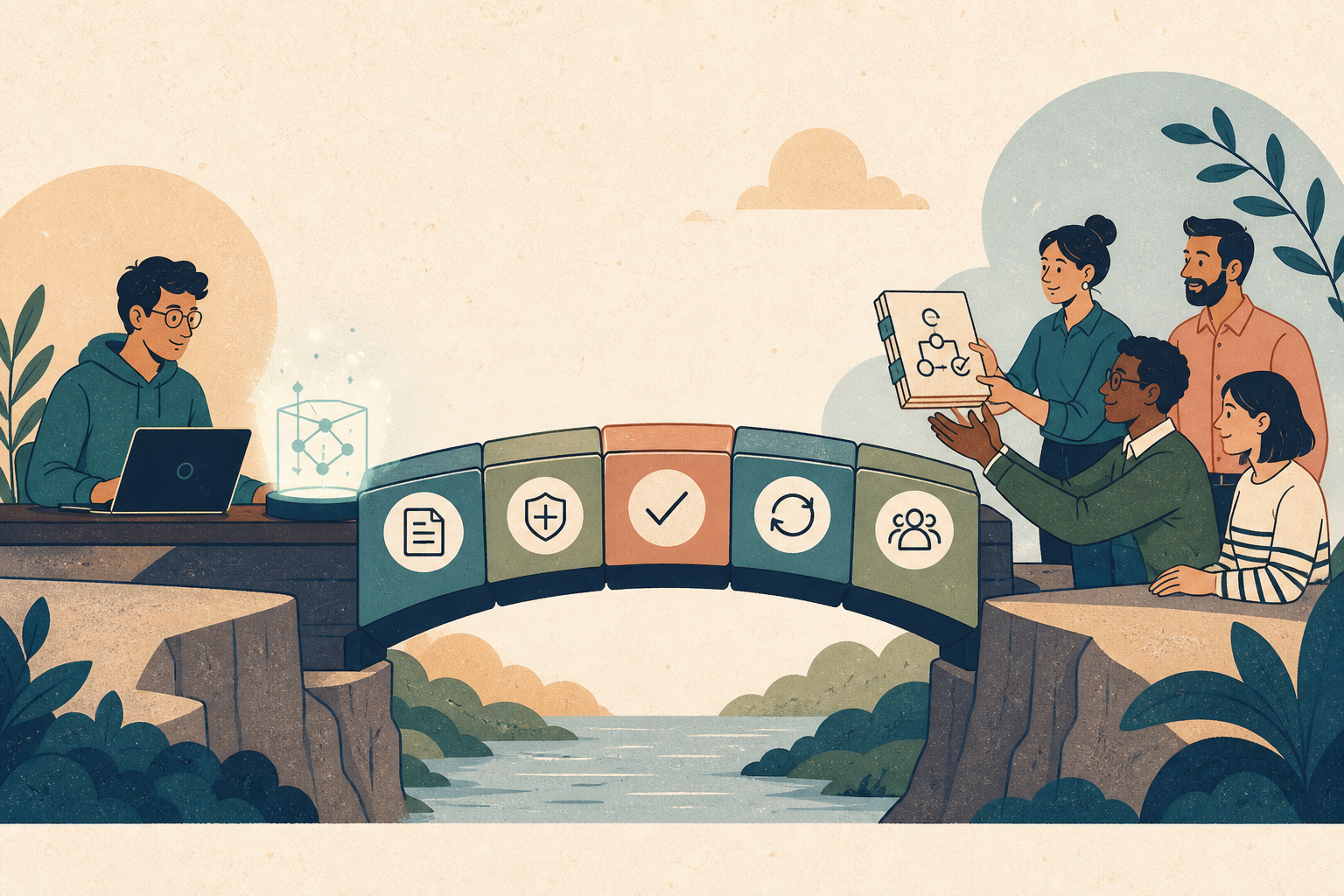
AI can help candidates produce a polished resume, cover letter, and project description quickly. That also makes it easier to polish claims that have little evidence behind them. Hiring teams still need evidence that a candidate can understand a problem, make tradeoffs, check the result, and explain the work. A well-designed work sample can supply that trust, but a vague unpaid project can waste time without measuring the job.

Your AI Portfolio Needs to Prove the Workflow Survives a Handoff

· 17 min read
Your AI Portfolio Needs to Prove the Workflow Survives a Handoff

An AI demo can look extraordinary while being almost useless to a team. It works in its creator's account, with an undocumented prompt, a convenient dataset, and a sequence of corrections nobody recorded. The output is polished. The process disappears as soon as its author leaves the room. For a hiring team, a more useful career signal is whether another person can understand the system, run it inside clear boundaries, detect a bad result, and take responsibility for what happens next.

AI Is Expanding Your Job Before Your Title Changes

· 19 min read
AI Is Expanding Your Job Before Your Title Changes

AI is changing jobs in a quieter way than the usual replacement headlines suggest. Your title may stay the same while your task mix expands into analysis, troubleshooting, writing, operations, or product work that once required a handoff. That expansion can become valuable career evidence, but only if you can show more than access to a model. You need to connect the borrowed task to your real role, explain the judgment you supplied, and prove the output deserved to be used.

Your First Interview May Be an AI Screen. Prepare for the Format, Not the Gimmick.

· 6 min read
Your First Interview May Be an AI Screen. Prepare for the Format, Not the Gimmick.

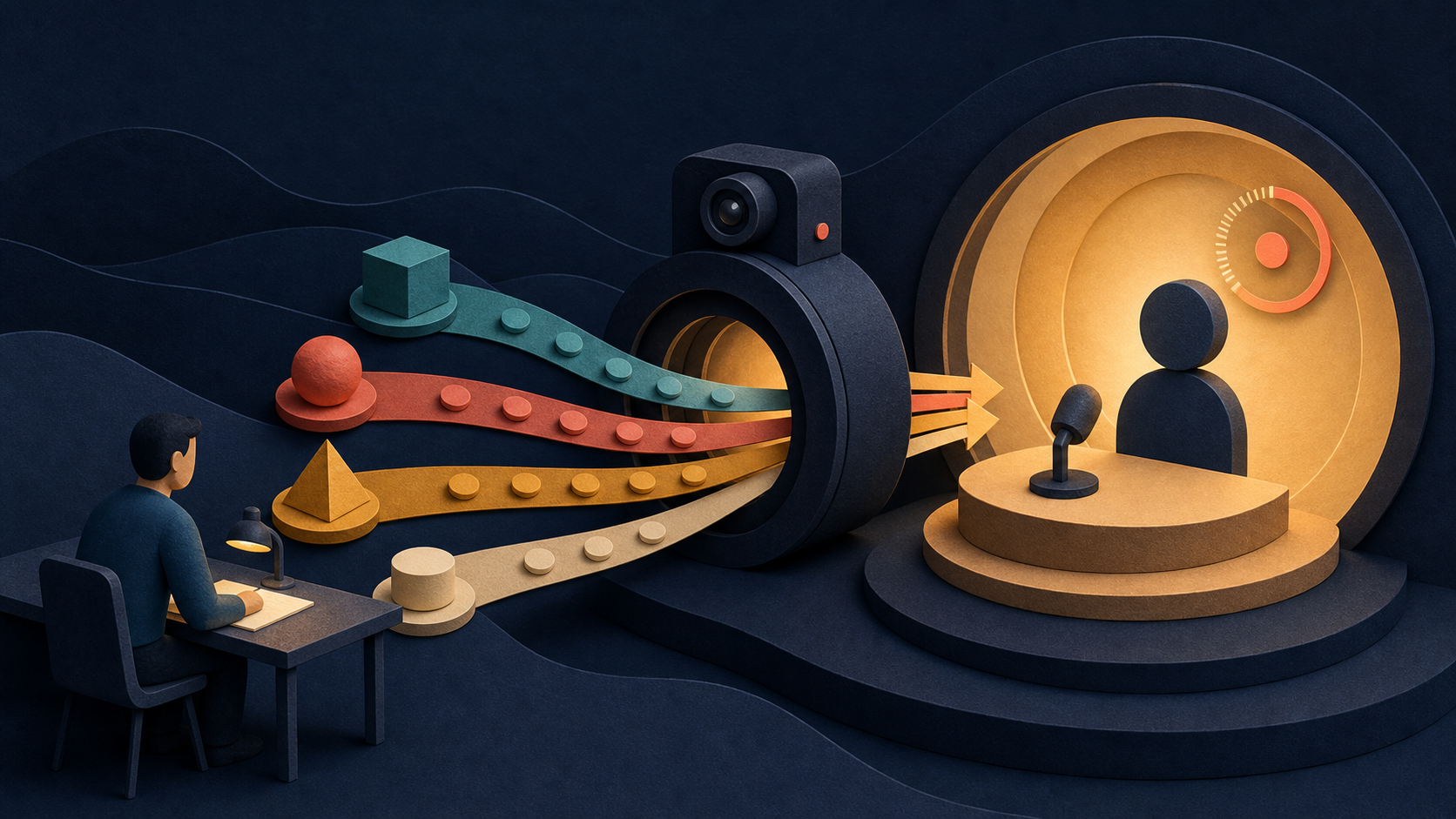
The worst way to prepare for an AI interview is to guess which facial expression, keyword, or vocal trick will satisfy a hidden algorithm. You may not even be facing an automated scoring system. Prepare for what you can verify: a structured format, a fixed response window, and little or no conversational help when your answer is unclear.

AI Can Expand Your Range Without Expanding Your Judgment

· 18 min read
AI Can Expand Your Range Without Expanding Your Judgment

AI agents can help a backend engineer ship a usable interface, a recruiter automate data cleanup, or an analyst build a small internal tool. That expanded range is real work and worth claiming. The mistake is treating every finished artifact as proof of equal judgment across every domain it touched. AI can widen what you can complete much faster than it widens what you can diagnose, review, or safely own.

The Best AI Candidates Know What Context to Add - and What to Leave Out

· 14 min read
The Best AI Candidates Know What Context to Add - and What to Leave Out

A lot of candidates still describe AI work as if the achievement were sheer prompt volume: more docs, more context, more system instructions, more connected tools. As agents move into longer, cross-functional work, the stronger signal is almost the opposite. Good candidates can tell what the model already knows, add only the missing or current context, block the wrong default path early, and keep the workflow trustworthy once it starts moving.[1][2][3]

Agentic Coding Is Raising the Value of Domain Expertise

· 15 min read
Agentic Coding Is Raising the Value of Domain Expertise

The lazy story says agentic coding will flatten expertise because more people can now produce software. The better story is almost the opposite: as implementation gets cheaper to delegate, the value shifts toward people who know what should be built, what it must respect, what can go wrong, and how to tell whether the output is actually good.[1][2][3]

When the Hiring Process Is the Red Flag: What Candidates Should Notice Early

· 7 min read
When the Hiring Process Is the Red Flag: What Candidates Should Notice Early

A messy hiring process is not always a deal-breaker. People get sick, calendars move, and good teams sometimes run late. But candidates make a mistake when they treat the process like meaningless admin. Interviews are also your chance to evaluate the organization, not just perform for it.[1][2][3] And the way a company defines the role, communicates, and runs the loop is often your first real sample of how it operates.