Security-Aware AI Tool Use Is Becoming a Hiring Signal
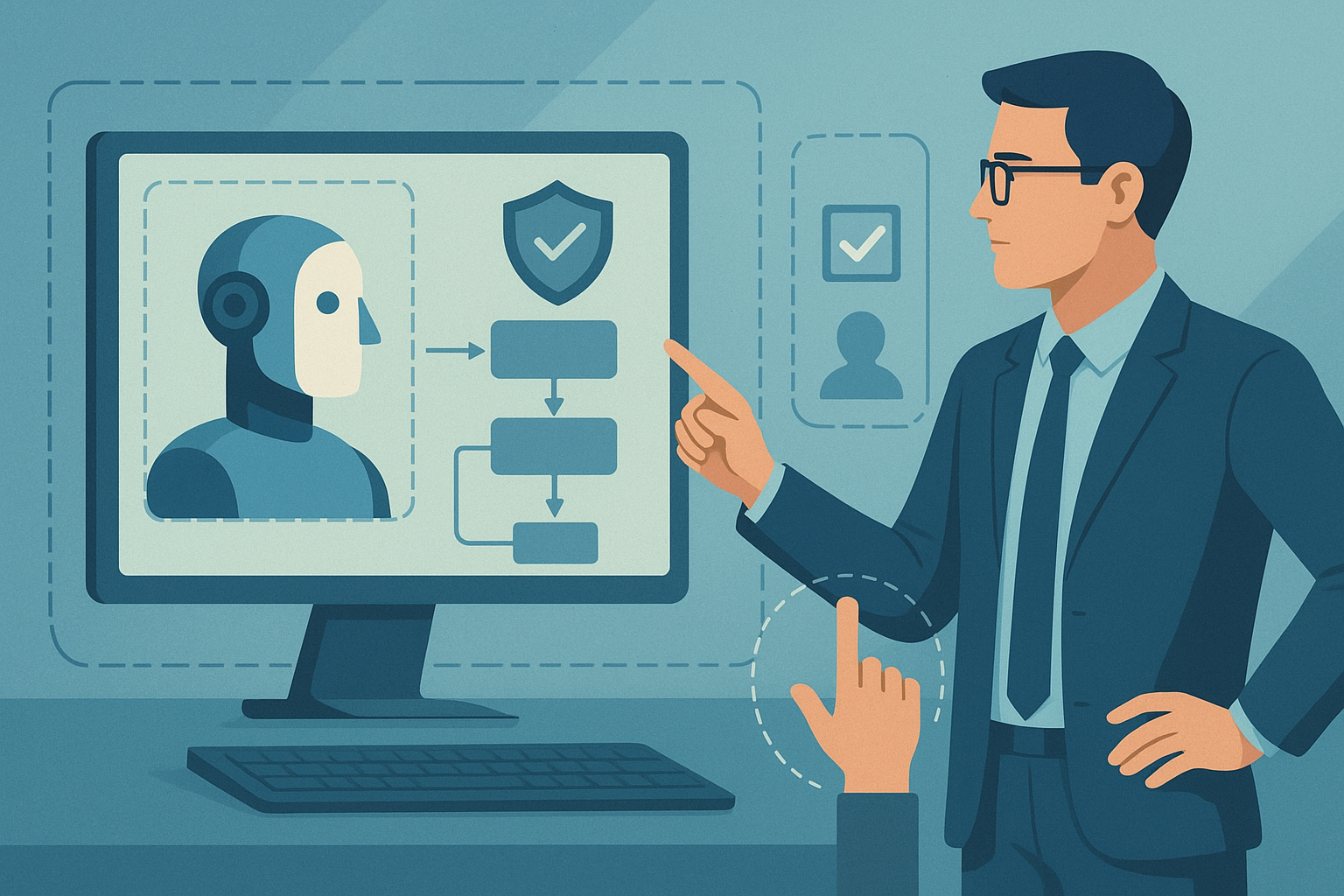
Fast AI use without boundaries is starting to sound careless rather than advanced. The signal that is getting stronger is narrower and more useful: can you use AI with clear approvals, bounded tools, visible checks, and real ownership when something important is at stake?[1][2][3]
The reason why it matters is that the current vendor direction is pretty clear. The same companies making AI systems more autonomous are also putting more energy into sandboxing, policy enforcement, startup scanning, response sanitization, remote approvals, and provenance work.[1][4][5][6] For job seekers, that is a strong clue: the market is moving past "I use AI" and toward "I can use AI without creating trust problems."
A clearer example of good AI judgment
Consider an AI-assisted internal triage workflow for incident or support summaries. The model drafts first-pass summaries and routing suggestions from sanitized internal inputs, but it works inside restricted tools and approved data rather than open-ended access. Low-confidence cases, or anything that could affect a customer, pause for human review. The team samples outputs, checks them against rules and recurring error patterns, and expands scope only after that review holds up. Severity, escalation, and any externally shared wording still stay with a person.[1][3]
That kind of example lands because it shows judgment inside a controlled workflow, not just speed.
Why this kind of example sounds stronger now
This week's product signals all point in the same direction. Anthropic's new auto mode is framed as a safer middle ground between constant permission prompts and dangerous permission skipping.[1] GitHub is normalizing remote supervision, where you can watch a running session, steer it mid-flight, and approve or deny permissions from the web or your phone.[2] Microsoft is pushing governance at the tool layer through policy enforcement, startup scanning, response sanitization, audit, and metrics for MCP servers.[3] Visual Studio is reinforcing plan review before implementation.[7] OpenAI's recent updates lean on safe sandboxing, hybrid deployment controls, and provenance.[4][5][6]
Different vendors, same message: more autonomy is arriving with more guardrails, not fewer. That is exactly why the triage example above reads better than a generic "I used AI" claim.
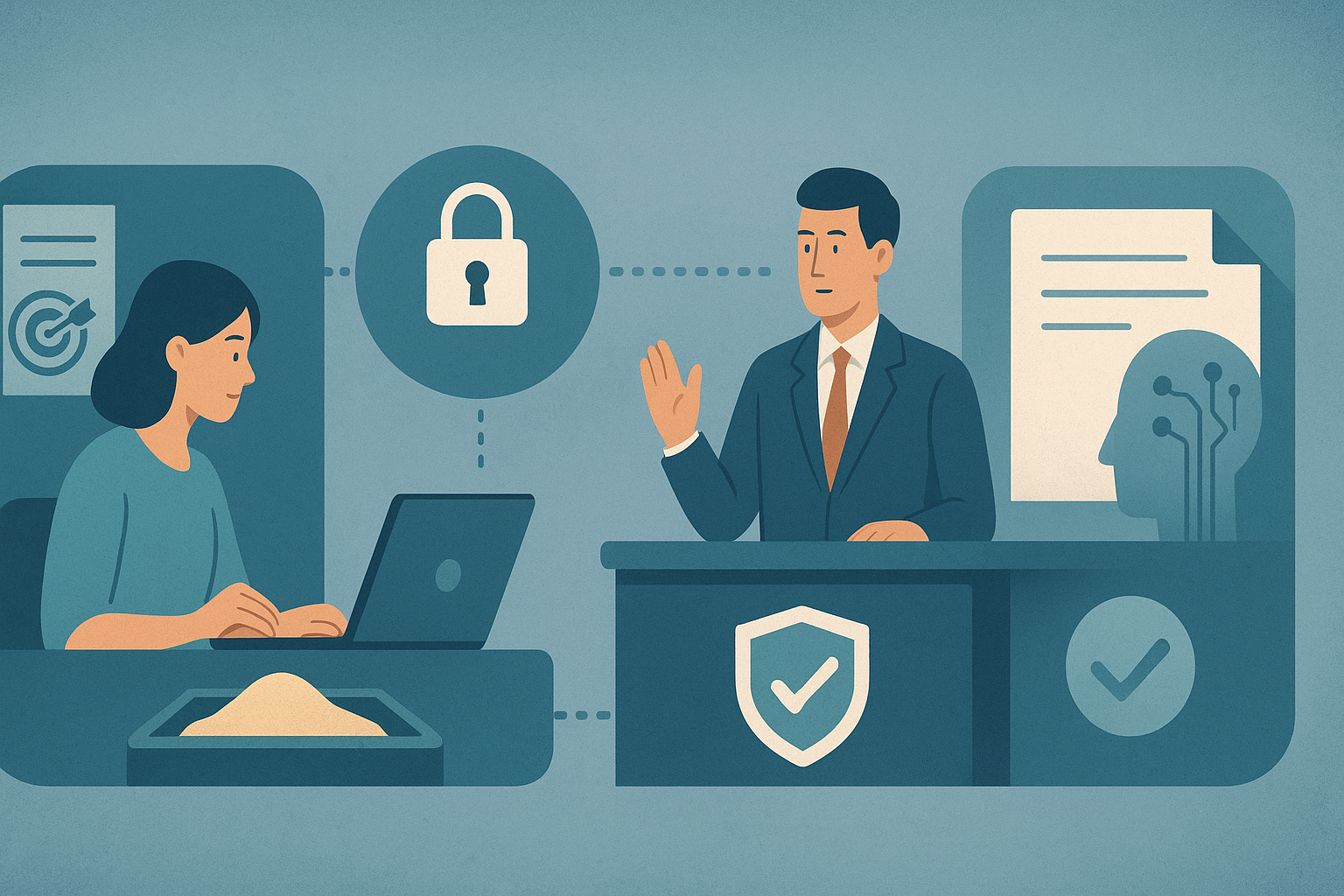 The stronger market signal is visible control over how AI work is scoped, checked, and approved, not raw autonomy alone.
How hiring teams read the same example
| Don'ts | Dos |
|---|---|
| "Used AI to speed up triage." That tells a hiring team almost nothing about risk, review, or ownership. | "Built an AI-assisted triage workflow that drafted first-pass summaries from sanitized inputs, paused low-confidence cases for review, and kept severity decisions human-owned." That makes the controls visible. |
| Talk about the model as if the tool itself is the accomplishment. | Talk about boundaries, approval points, verification, and the decisions that never became fully automated. |
| Resume version: Designed an AI-assisted triage workflow that drafted summaries from sanitized inputs, routed low-confidence cases to manual review, and reduced first-pass handling time without changing escalation standards. | |
That is what hiring teams can actually infer from security-aware AI use. Clear approval rules suggest you know some actions should pause instead of auto-running. Sandboxing suggests you understand blast radius, not just speed. Governed tool access suggests you think about who should be allowed to call what, under which policy, and what should happen when a tool changes in a risky way.[1][3]
Remote supervision adds another layer. Planning matters too. Provenance matters too. Candidates who can explain those choices sound more like people who can launch work, watch it closely, interrupt it when needed, and keep accountability clear while it is running.[2][7][6]
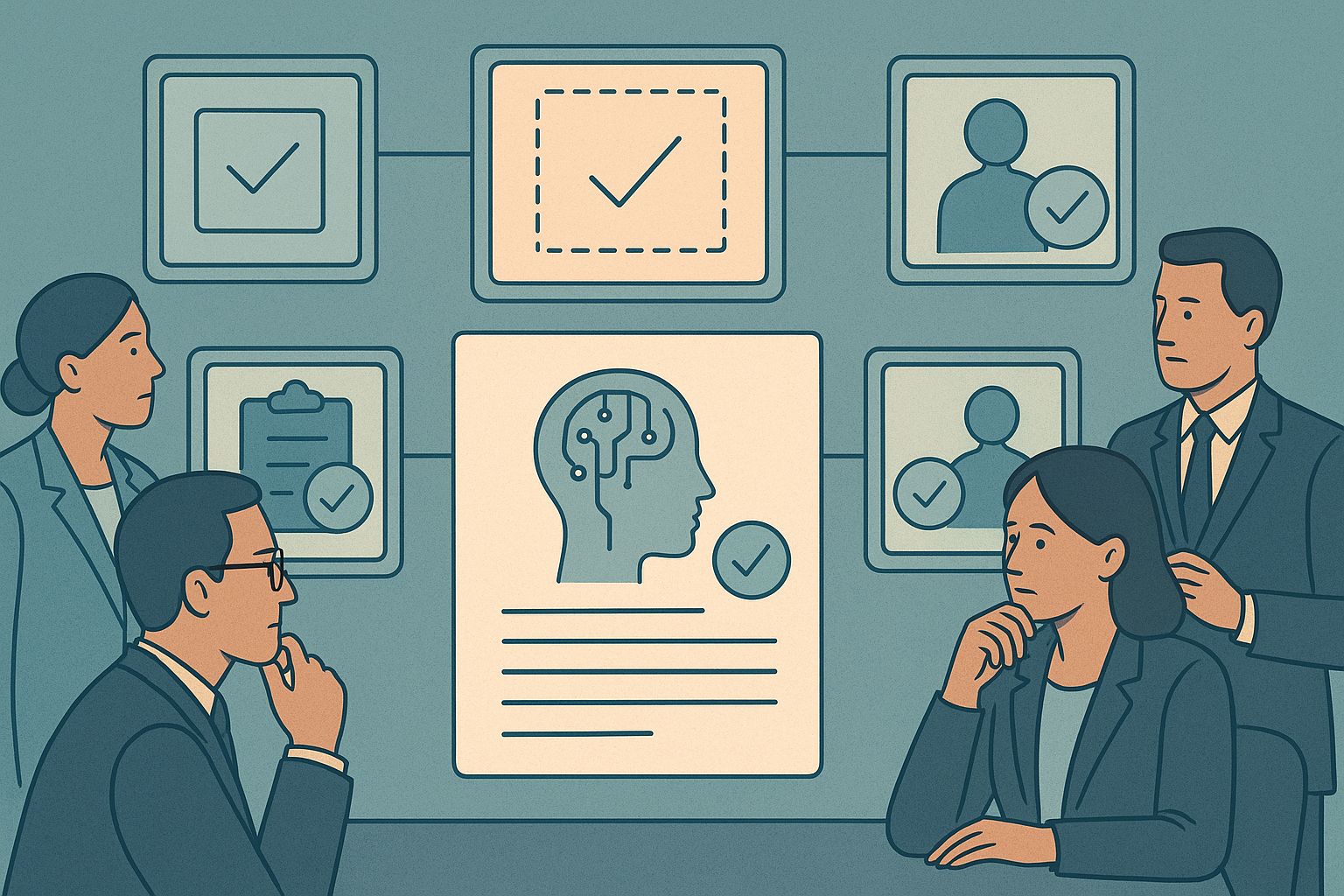 The hiring value comes from making judgment visible, not from dropping another tool name.
If you already have one useful AI accomplishment but the wording still sounds vague, CoreCV's resume builder can help you keep multiple role-specific resume versions, then fine-tune the strongest one against a job description or job URL without changing the underlying facts.
How to carry the example across resume, portfolio, and interview
| Don'ts | Dos |
|---|---|
| Resume: write a generic efficiency bullet. Portfolio: show only the output and call it innovation. Interview: say "we automated triage with AI" and stop there. | Resume: show the workflow, the boundary, and the protected decision. Portfolio: explain what the AI handled, what data or tool limits existed, what review gate protected the workflow, and how quality was checked. Interview: describe the same workflow in one tight spoken answer that makes the control points obvious. |
| Resume version: Designed an AI-assisted triage workflow that drafted summaries from sanitized inputs, paused low-confidence cases for manual review, and reduced first-pass routing time without changing escalation standards. | |
A short portfolio case study should make it easy to see what the AI handled, what stayed restricted, where review happened, how output quality was checked, and what stayed fully human-owned. If you include GitHub in that story at all, make sure it shows judgment, not just activity. Should You Put GitHub on Your Resume? Sometimes. is still the right filter for that choice.
A strong interview version usually sounds like this: "We used AI for the first-pass summary and routing suggestion, but the workflow ran inside restricted boundaries, low-confidence cases paused for review, and final severity calls stayed with a human. My job was not just to make it faster. It was to make it safe enough to trust."
If you want the deeper interview playbook, pair this piece with How to Talk About AI Tool Use in Interviews Without Sounding Reckless.
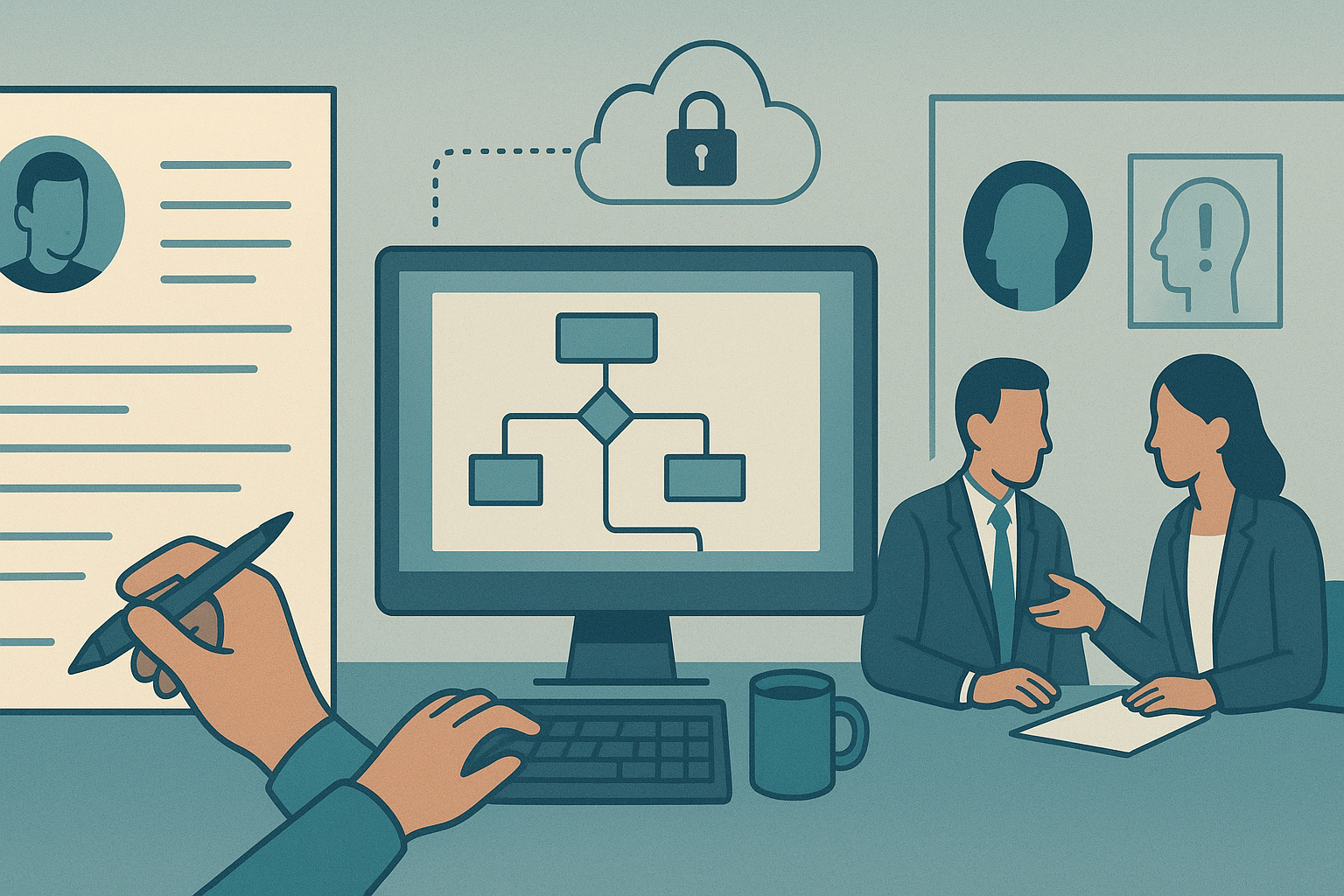 One well-bounded AI workflow can become stronger proof across resume, portfolio, and interview formats when the controls stay visible.
A quick test for your own example
Use the triage example as a benchmark. A mature AI story can answer five questions clearly:
- What task did AI handle?
- What boundary limited the blast radius?
- What approval or review gate protected the workflow?
- What evidence shows the output was checked?
- What decision stayed fully human-owned?
If your own example cannot answer at least three of those cleanly, it probably still sounds undercooked.
How to upgrade one weak AI story this week
| Don'ts | Dos |
|---|---|
| Add another model name, another tool name, or a bigger autonomy claim. | Add the missing control layer: where the boundary sat, what required review, what you verified, and what never became fully automated. |
| Describe the example as if speed is the whole story. | Rewrite it so the judgment is obvious, the workflow is bounded, and the accountability is easy to trust. |
That one move usually does more for your credibility than adding another model name ever will. It also maps to the broader labor trend Microsoft Research highlights: human work is shifting toward guiding, critiquing, and improving AI output, and the benefits of that shift are uneven across workers and organizations.[8]
The bigger career point
The goal is to sound employable: someone who can use AI productively without making the workflow harder to trust.
Teams do not just want faster output. They want people who can keep AI-assisted work inside acceptable risk, explain the tradeoffs, and preserve accountability when the workflow gets more autonomous.[1][4] That is one reason security-aware AI tool use is becoming a hiring signal. It makes judgment visible.
If this is the kind of career signal you want to sharpen every week, follow the CoreCV blog for more signal-first breakdowns on resumes, interviews, and AI-assisted work. Then keep moving through the series with How to Show AI-Native Work on a Resume Without Sounding Generic, The New AI Career Signal: Can You Steer and Verify AI Work?, and the broader AI tag archive.
Disclosure: This article is authored by the CoreCV team. While we mention CoreCV.ai, the strategies and advice presented here are intended to be useful whether or not you use our product.
Sources
- Anthropic Engineering, Claude Code auto mode: a safer way to skip permissions: https://www.anthropic.com/engineering/claude-code-auto-mode
- GitHub Blog, Take your local GitHub sessions anywhere: https://github.blog/news-insights/product-news/take-your-local-github-sessions-anywhere/
- Microsoft Dev Blog, Announcing Agent Governance Toolkit MCP Extensions for .NET: https://devblogs.microsoft.com/dotnet/announcing-agent-governance-toolkit-mcp-extensions-for-dotnet/
- OpenAI, Building a safe, effective sandbox to enable Codex on Windows: https://openai.com/index/building-a-safe-effective-sandbox-to-enable-codex-on-windows/
- OpenAI, OpenAI and Dell Technologies partner to bring Codex to hybrid and on-premises enterprise environments: https://openai.com/index/openai-and-dell-technologies-partner-to-bring-codex-to-hybrid-and-on-premises-enterprise-environments/
- OpenAI, Advancing content provenance for a safer, more transparent AI ecosystem: https://openai.com/index/advancing-content-provenance-for-a-safer-more-transparent-ai-ecosystem/
- Microsoft Visual Studio Blog, Plan Before You Build: Introducing the Plan agent in Visual Studio: https://devblogs.microsoft.com/visualstudio/plan-before-you-build-introducing-the-plan-agent-in-visual-studio/
- Microsoft Research Blog, New Future of Work: AI is driving rapid change, uneven benefits: https://www.microsoft.com/en-us/research/blog/new-future-of-work-ai-is-driving-rapid-change-uneven-benefits/