60 posts tagged with "resume-advice"

View All Tags

Will ATS Detect an AI-Written Resume? No. Here's What Actually Gives You Away.

· 8 min read
Will ATS Detect an AI-Written Resume? No. Here's What Actually Gives You Away.

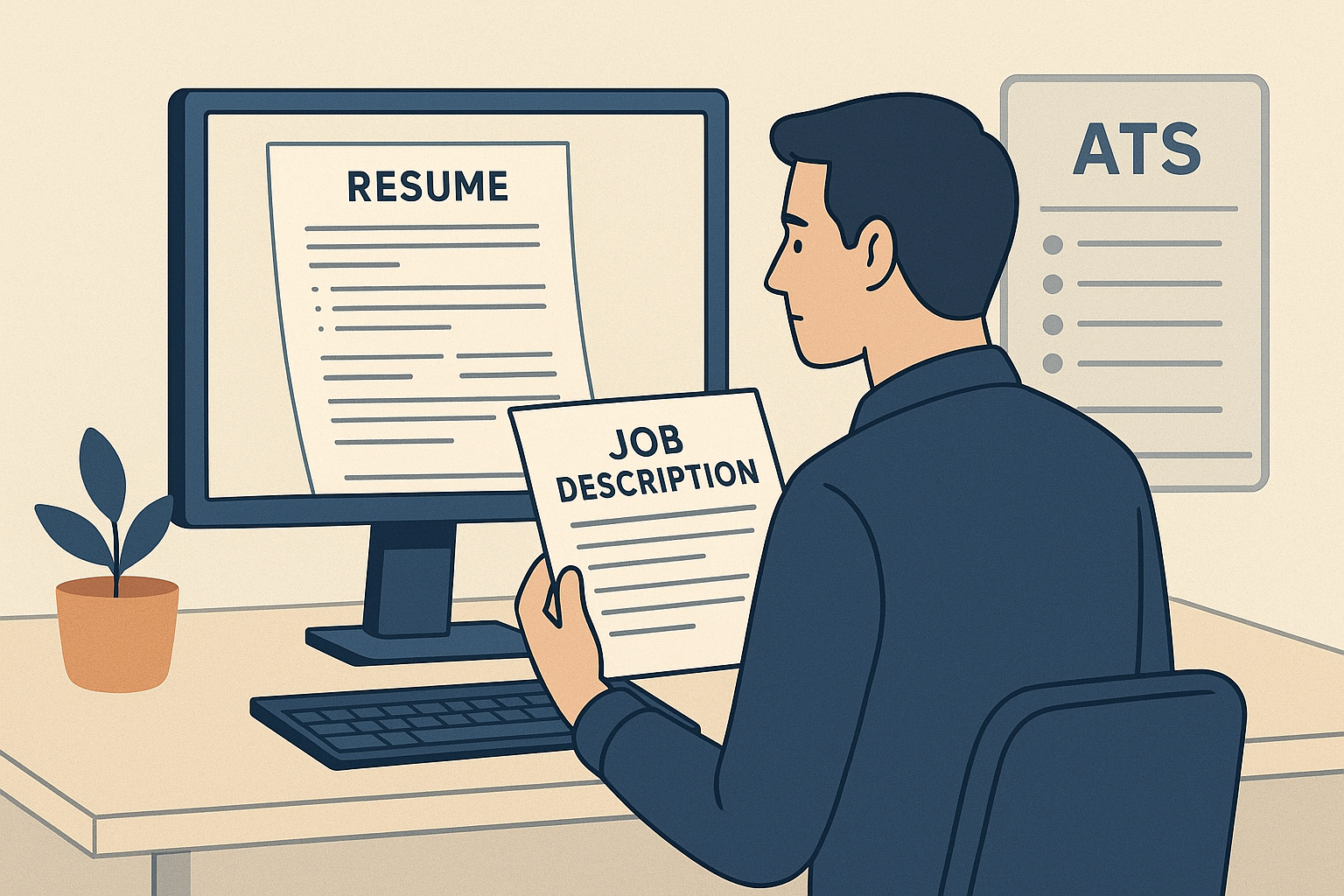
If AI helped draft your resume, the main risk is almost certainly not that an ATS will detect it. ATS software is built to parse resumes, extract details like skills and titles, and help employers filter for fit. The real problem shows up later, when a recruiter reads copy that sounds polished but empty, inflated, or suspiciously interchangeable with a hundred other resumes.[1][2][3][4]

How to Write Resume Bullets for Engineers Who Worked on Teams Too Large for Clear Ownership

· 7 min read
How to Write Resume Bullets for Engineers Who Worked on Teams Too Large for Clear Ownership

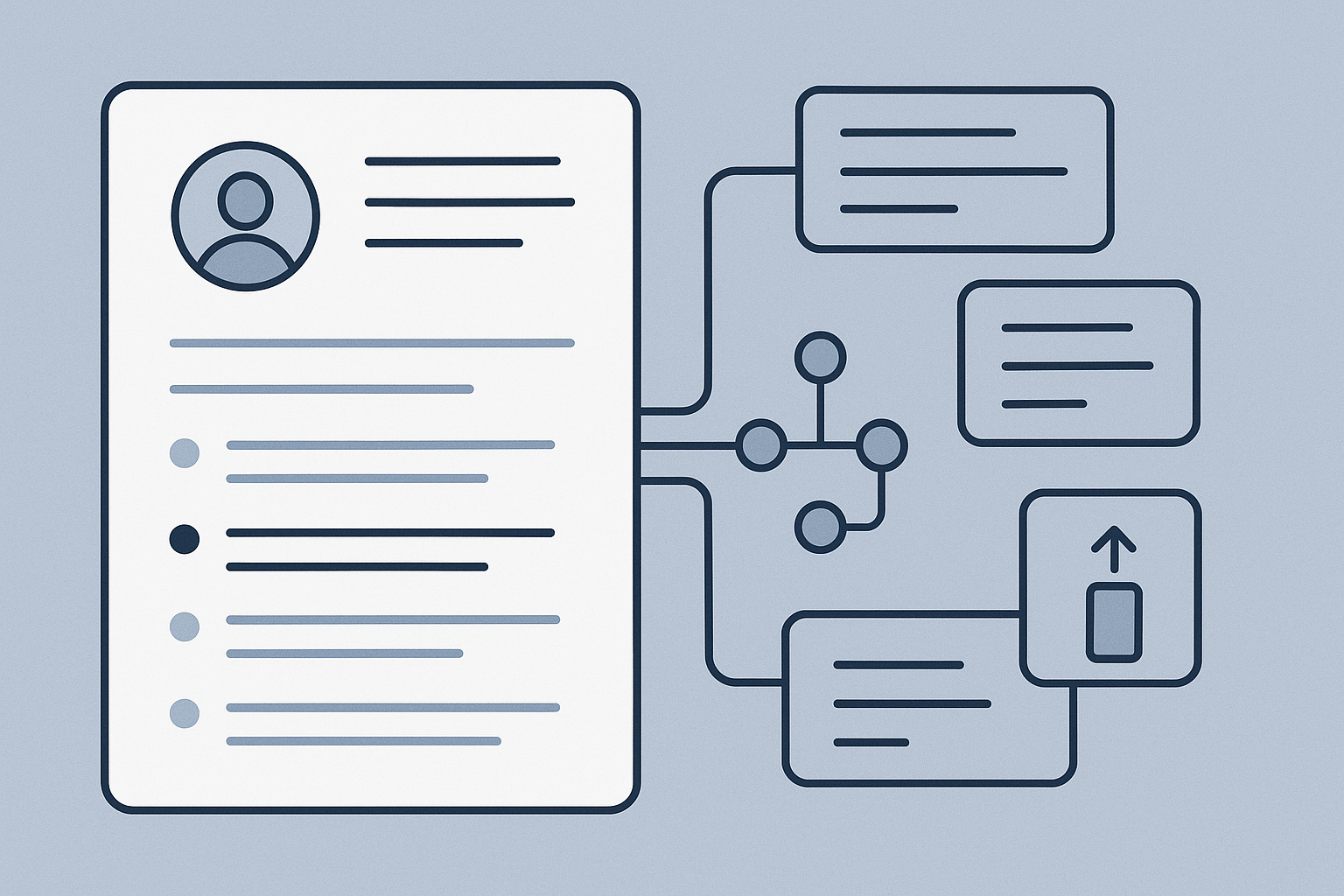
Large-team engineering creates a resume problem that generic bullet advice usually handles badly. The work is real, the scope is valuable, and the outcomes matter, but clean solo ownership is often fiction. In an AI-shifting hiring market where both software and humans compress experience into fast signals, a vague "collaborated on X" bullet wastes evidence, while an inflated "owned X" bullet can make the story less believable. The stronger move is to show the slice of the system you changed, the constraint you worked inside, and the consequence your work helped create.[1][2][3]

The Best AI Candidates Know What Context to Add - and What to Leave Out

· 14 min read
The Best AI Candidates Know What Context to Add - and What to Leave Out

A lot of candidates still describe AI work as if the achievement were sheer prompt volume: more docs, more context, more system instructions, more connected tools. As agents move into longer, cross-functional work, the stronger signal is almost the opposite. Good candidates can tell what the model already knows, add only the missing or current context, block the wrong default path early, and keep the workflow trustworthy once it starts moving.[1][2][3]

The Best Resume Strategy for Engineers Re-Entering the Market After a Long Stable Job

· 8 min read
The Best Resume Strategy for Engineers Re-Entering the Market After a Long Stable Job

The risk in a long tenure is not the tenure itself. It is letting ten years of promotions, harder systems, and wider ownership collapse into one job entry that reads flatter than the work really was. If you are re-entering the market after a long stable run, your resume has to surface growth, current relevance, and decision-making fast instead of assuming the reader will infer it from the dates alone.[1][2][3]

Most Certifications Are Weak Signals. Here's When They Still Help.

· 8 min read
Most Certifications Are Weak Signals. Here's When They Still Help.

A lot of certification advice quietly assumes the badge will do more hiring work than it actually does. Usually it will not. Strong resume guidance still points to the same priorities: tailor for the role, make relevant evidence easy to scan, and show specific accomplishments instead of hoping the reader infers competence from labels alone.[1][2][3] In technical hiring, most certifications are weak signals because they often show effort or baseline familiarity, while the hiring team still needs proof that you can operate, decide, troubleshoot, and ship.

Agentic Coding Is Raising the Value of Domain Expertise

· 15 min read
Agentic Coding Is Raising the Value of Domain Expertise

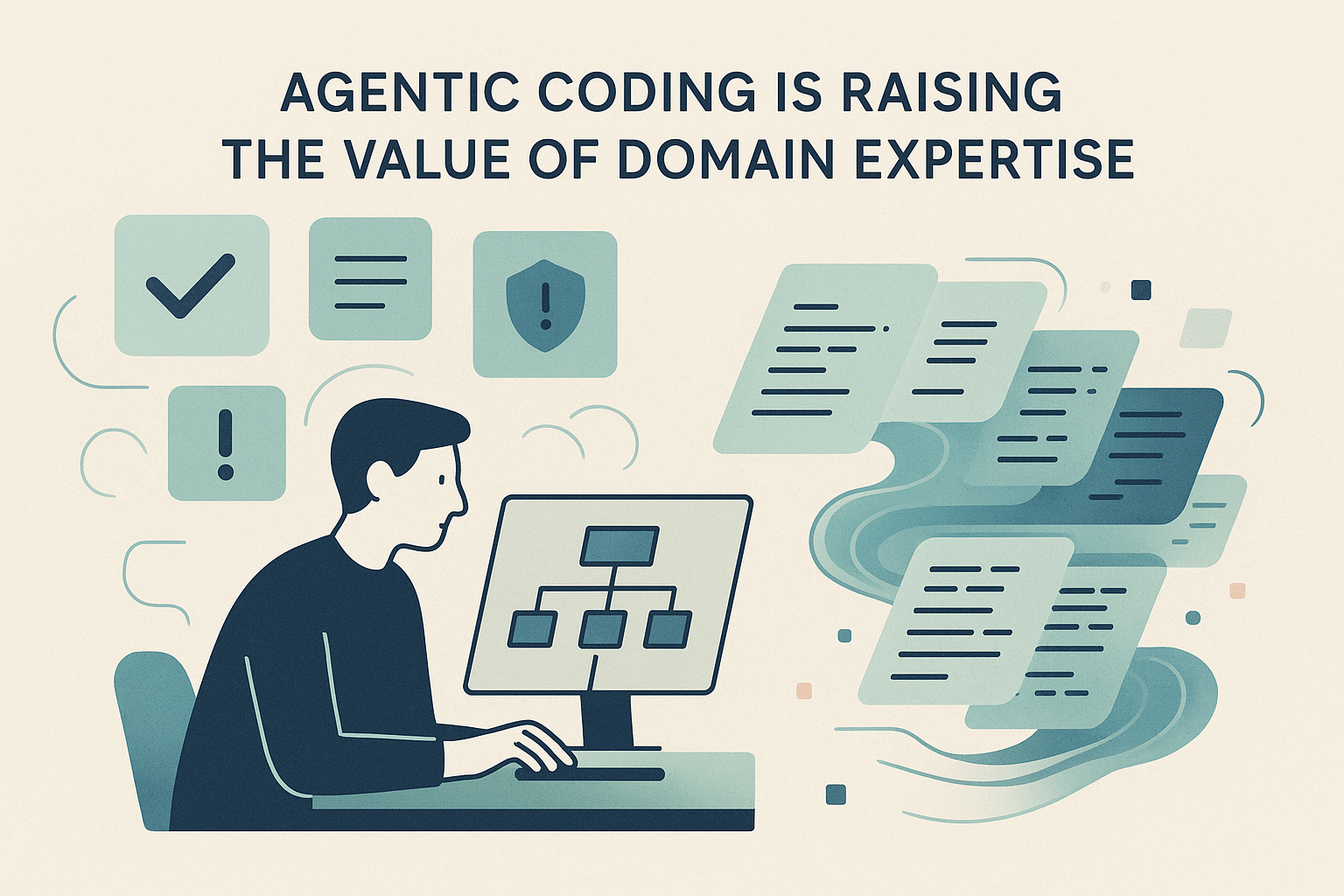
The lazy story says agentic coding will flatten expertise because more people can now produce software. The better story is almost the opposite: as implementation gets cheaper to delegate, the value shifts toward people who know what should be built, what it must respect, what can go wrong, and how to tell whether the output is actually good.[1][2][3]

Ghost Jobs Are Wasting Your Tailoring Time: How to Verify a Role Before You Rewrite Your Resume

· 8 min read
Ghost Jobs Are Wasting Your Tailoring Time: How to Verify a Role Before You Rewrite Your Resume

A lot of ghost-job advice gets stuck at outrage. The more useful point is simpler: a weak listing can waste more resume effort than a weak bullet ever will. Good resume guidance still says to tailor for the role, make relevant evidence easy to see, and write for fast human and system scanning.[1][2][3] But that only helps if the job posting is real enough, current enough, and specific enough to deserve a serious rewrite in the first place.

How to Position Internal Tools, Automations, and Dev Productivity Work as Career-Making Impact

· 7 min read
How to Position Internal Tools, Automations, and Dev Productivity Work as Career-Making Impact

A lot of high-leverage engineering work gets mislabeled as support work the moment it serves internal teams instead of external users. That is a mistake. If your tool, automation, or platform change helped other engineers ship faster, make fewer mistakes, or spend less time fighting setup and release friction, that is not side work. That is engineering leverage. Good resume guidance still points to the same standard: tailor for the role, be specific, and show contributions rather than vague responsibilities.[1][2][3]

Resume Advice for Bootcamp Grads in 2026: What Actually Still Works

· 7 min read
Resume Advice for Bootcamp Grads in 2026: What Actually Still Works

A lot of bootcamp-resume advice is now stale. The old formula was simple: put the program near the top, list every framework you touched, add three class-style projects, and hope a hiring team infers you are job-ready. Strong resume guidance still points somewhere else - tailor for the role, keep the page easy to scan, and make accomplishments specific enough to evaluate quickly.[1][2][4] In 2026, that matters even more for bootcamp grads because the credential alone is usually context, not proof.

The Right Way to List AI-Assisted Projects Without Sounding Like You Pressed a Button

· 7 min read
The Right Way to List AI-Assisted Projects Without Sounding Like You Pressed a Button

A lot of AI project descriptions already sound interchangeable. "Built with ChatGPT," "used Copilot," and "leveraged LLMs" tell a hiring team almost nothing about the problem, the difficulty, or whether the result held up under real use. Stronger resume guidance still points to the same standard: be specific, show relevant accomplishments, and make the work easy to evaluate quickly.[1][2][3]