71 posts tagged with "job-search"

View All Tags

Making Data-Driven Career Moves: Using Industry Trends and Statistics

· 6 min read

Making Data-Driven Career Moves: Using Industry Trends and Statistics

Career decisions get worse when they are based only on mood, headlines, or one recruiter's opinion. In a noisy hiring market, the better move is to look for patterns: which roles are growing, what employers are paying, which skills keep showing up, and where your experience already overlaps with real demand. Data will not tell you exactly what job to take next, but it can help you avoid guessing.
Website, LinkedIn, Resume: Creating a Cohesive Professional Profile

· 6 min read
Website, LinkedIn, Resume: Creating a Cohesive Professional Profile

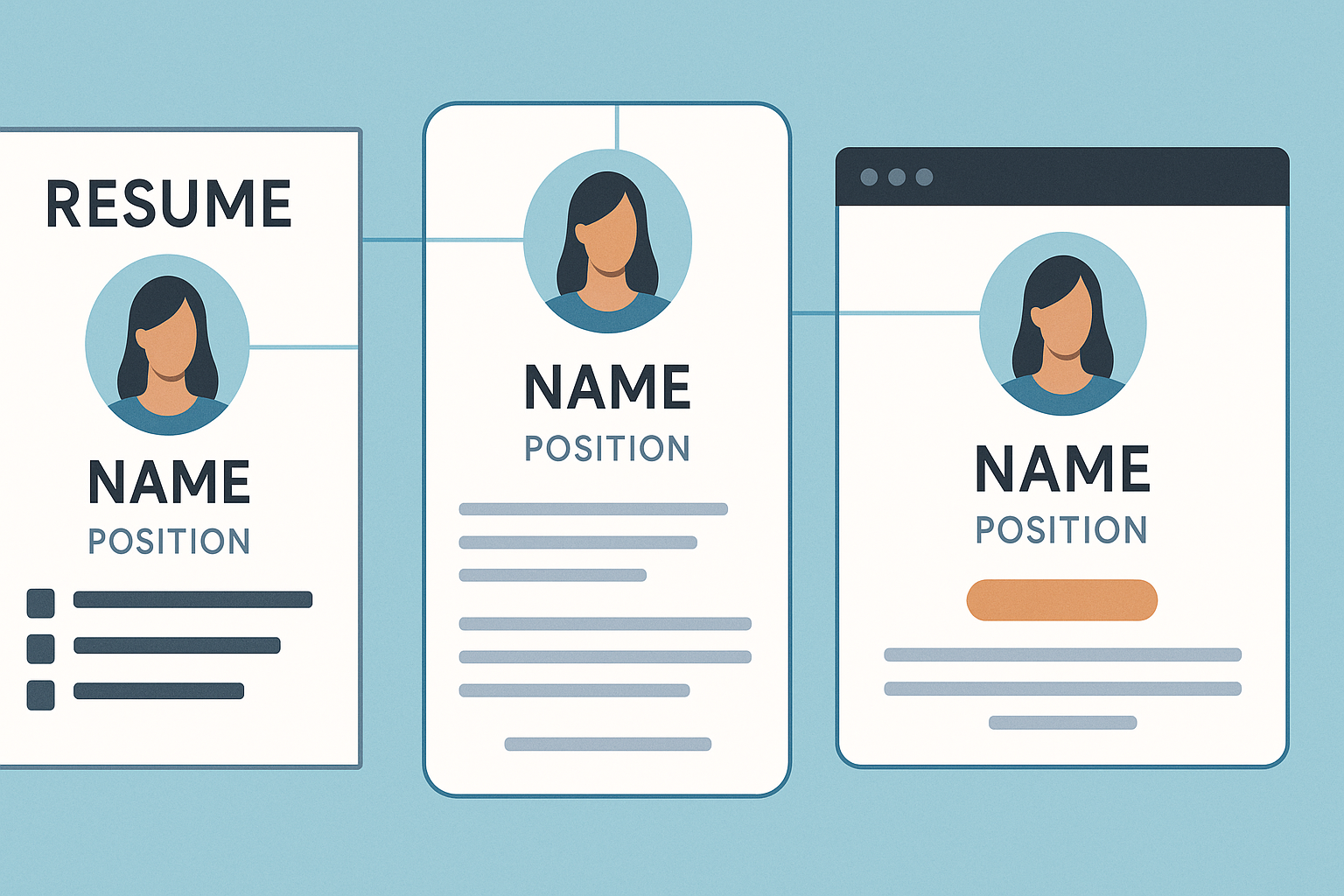
A scattered professional profile creates unnecessary doubt. If your resume says backend engineer, your LinkedIn headline reads product-minded full-stack builder, and your website leads with design-heavy case studies, a recruiter has to stop and figure out who you are before deciding whether to keep reading. That pause costs you. Harvard's resume guidance emphasizes tailoring and scan-friendly writing, and MIT notes that recruiters spend only a few seconds on an initial pass.[1][2]

How to Spot a Bad Job Posting Before You Apply

· 6 min read
How to Spot a Bad Job Posting Before You Apply

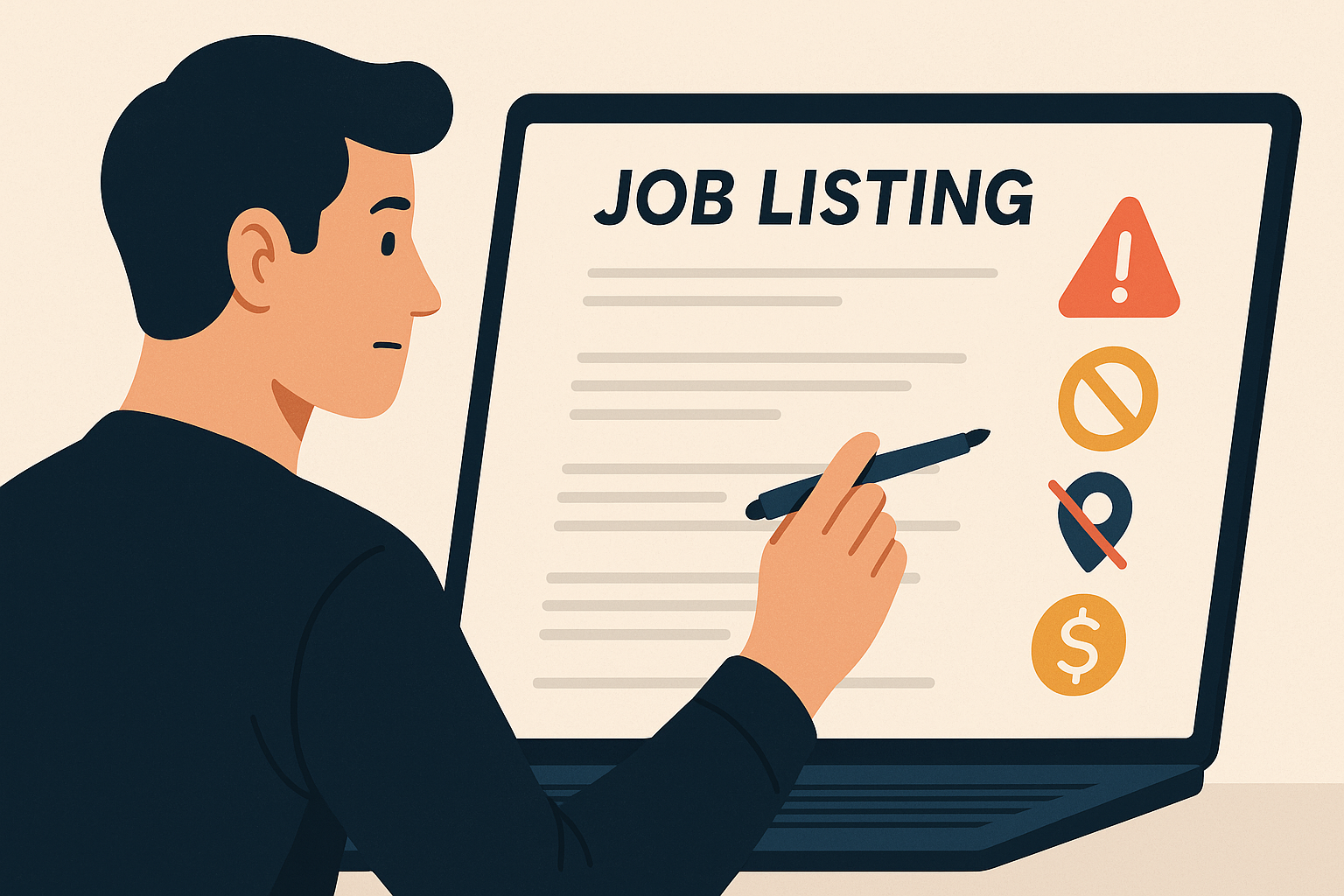
A bad job posting rarely costs just ten minutes. For technical candidates, one vague listing can turn into hours of resume tailoring, recruiter screens, take-home work, and interview prep before you discover the company never defined the role well in the first place. Learning to screen postings early is one of the easiest ways to protect your time.

Negotiating Tech Job Offers: Compensation, Equity, and Remote Work

· 7 min read
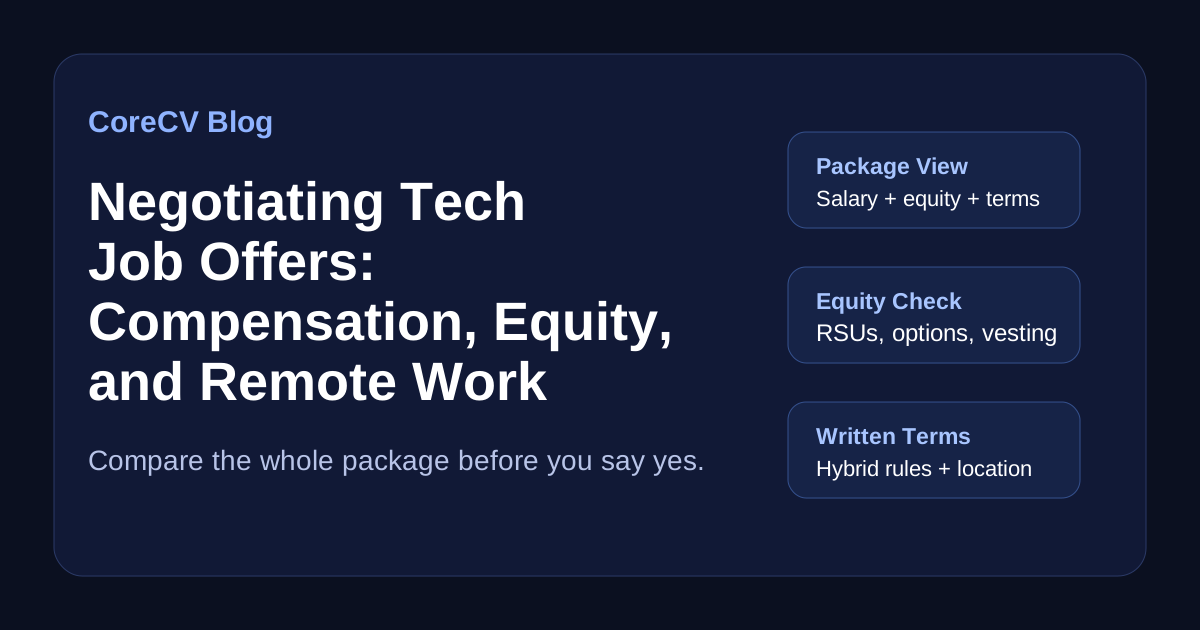
Negotiating Tech Job Offers: Compensation, Equity, and Remote Work

A strong tech offer is rarely just a salary decision. It is a bundle of cash, equity, work arrangement, level, and expectations - and one weak piece can quietly erase the value of a strong-looking number. Good negotiation starts when you stop asking "Can I get more?" and start asking "What exactly am I being asked to trade off?"

Prepping for Tech Interviews: System Design vs. Coding Challenges

· 6 min read
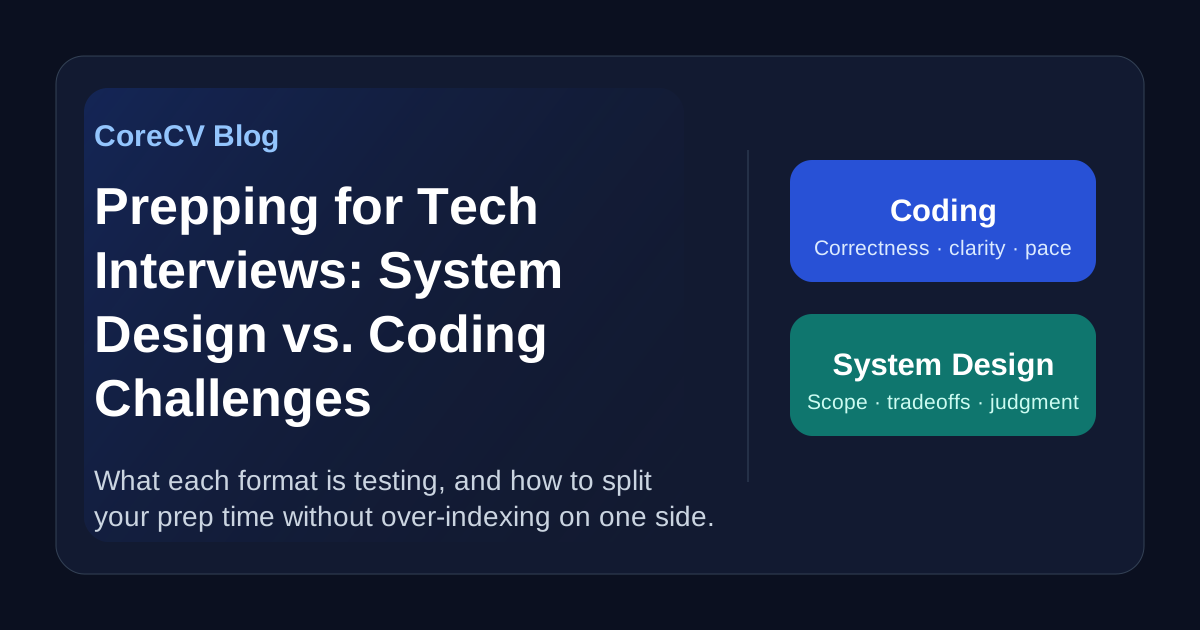
Prepping for Tech Interviews: System Design vs. Coding Challenges

A lot of interview prep goes sideways for one simple reason: candidates often train for whatever feels familiar. Strong builders may over-focus on system design because it sounds like real work. LeetCode-heavy candidates may over-focus on coding rounds because they are easier to schedule and score. In many interview loops, those formats are separated because they are looking for different evidence, and your prep is usually stronger when it reflects that.

Using AI Beyond Resumes: Smart Job Search Tools and Tactics

· 10 min read
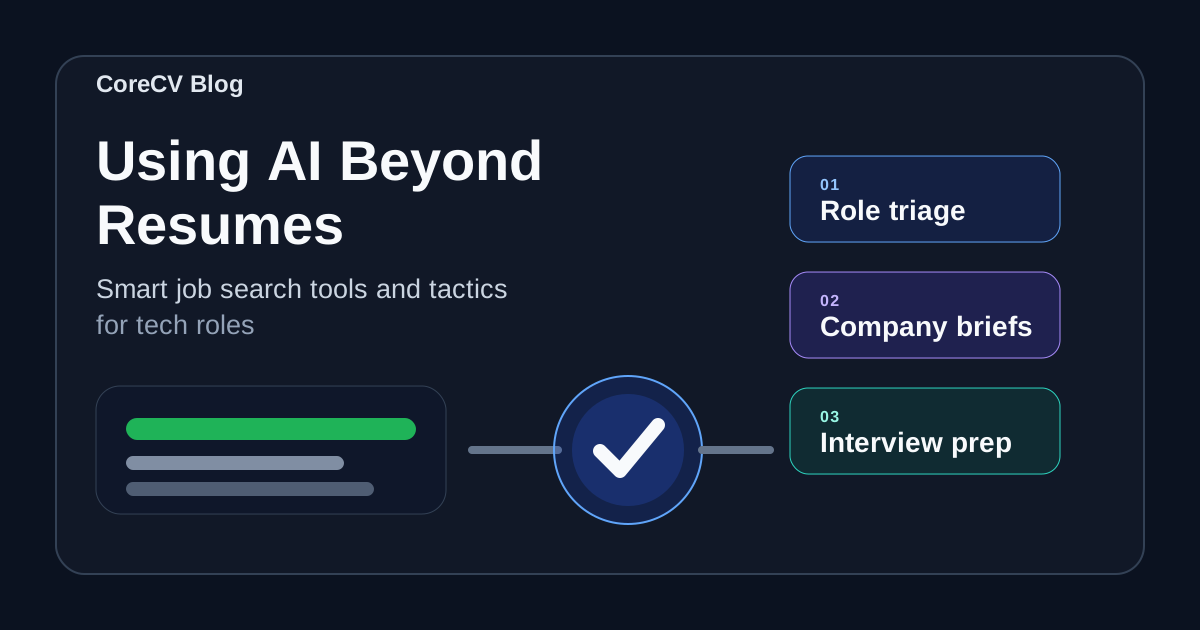
Using AI Beyond Resumes: Smart Job Search Tools and Tactics

Most advice about AI in hiring stops at resume tailoring. That is still useful, but it is not where the biggest gain is in this market. When openings are tighter, screens are heavier, and too many candidates are sending fast low-signal applications, the real value of AI is triage: deciding which roles deserve effort, where your evidence is actually strong, what needs to be verified, and how to prepare for a slower, more skeptical process.

Optimizing Your LinkedIn Profile for Tech Recruiters

· 7 min read
Optimizing Your LinkedIn Profile for Tech Recruiters

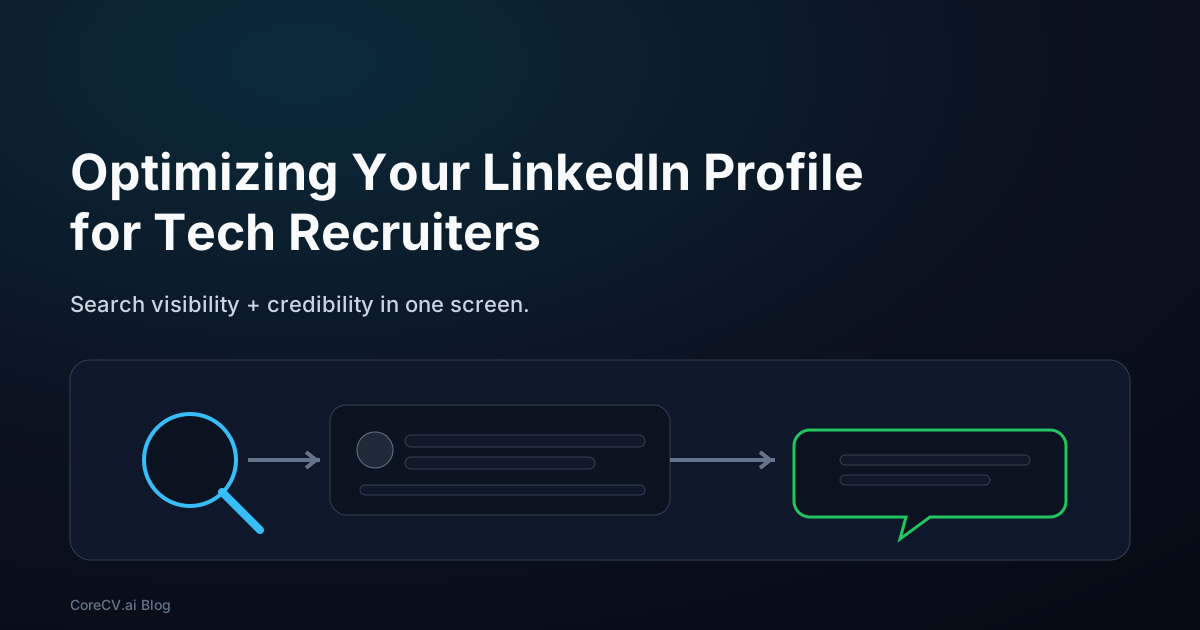
LinkedIn is not your resume. It is closer to a searchable database plus a landing page.

If you treat it like a copy-paste job, you end up with the worst of both worlds: a profile that is too long to scan, too vague to trust, and still missing the keywords recruiters search for.

This guide shows a practical way to fix that: make it easier for a recruiter to find you in search, then make the first screen credible enough that a hiring manager believes you.

Building a Standout Portfolio Website for Tech Professionals

· 10 min read
Building a Standout Portfolio Website for Tech Professionals

A portfolio website is not a vanity project. It is your chance to control what a skeptical reviewer sees when they click your name.

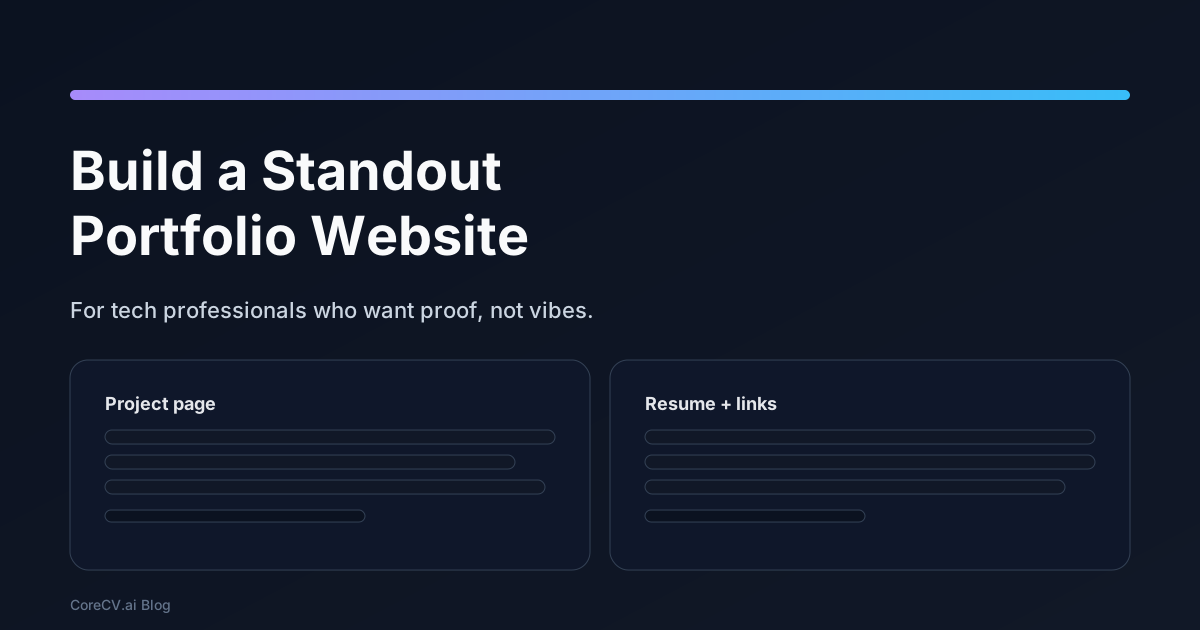
Your resume is the summary. Your site is the proof. When it works, a hiring manager can skim one project page and come away with three things: what you built, what constraints you operated under, and what changed because you were there.

Most engineers miss this and end up shipping a site that looks like a template gallery. The typography is nice, the animations are smooth, and the content says almost nothing. This post is a safer path: a structure you can ship in a weekend, plus the details that make it feel credible.