31 posts tagged with "ai"

View All Tags

Stop Showing Prompts. Package an AI Workflow Someone Else Can Run

· 21 min read

Stop Showing Prompts. Package an AI Workflow Someone Else Can Run

Prompt screenshots are becoming the new certificate badges: easy to collect, easy to display, and hard for an employer to interpret. A polished exchange can prove that you found useful wording once. It rarely proves that you can turn an ambiguous task into reliable work for somebody else. As AI tools move toward reusable skills and portable plugin packages, candidates have a better artifact available. Package one real workflow so another person can inspect it, run it, find its limits, and maintain it after you leave.


Laid Off During an AI Restructure? Describe Your Work, Not the Company's Story About the Cut.

· 6 min read
Laid Off During an AI Restructure? Describe Your Work, Not the Company's Story About the Cut.

When a company calls a layoff an "AI transformation," candidates can feel pushed into two bad stories: either automation proved their work had little value, or the employer is using AI as cover for an ordinary cost cut. You may not have enough evidence to prove either claim. Your next application does not need a verdict on the corporate strategy. It needs a clear record of what happened, what you accomplished, and what you can do now.

The AI Hiring Boom Is Real. Build a Bridge Into It, Not a New Identity

· 19 min read
The AI Hiring Boom Is Real. Build a Bridge Into It, Not a New Identity

AI hiring is growing fast enough to make reinvention feel urgent. A backend engineer changes a headline to "AI engineer." A product manager adds a stack of model names. An analyst starts a new portfolio full of generic chatbots. The apparent logic is simple: if the titles are changing, your identity should change with them. That is usually the weakest way to enter the market. The stronger transition preserves the judgment you already earned and builds a visible bridge from it into one AI responsibility.

AI Made Applications Easier. Work Samples Can Be the Trust Layer.

· 6 min read
AI Made Applications Easier. Work Samples Can Be the Trust Layer.

AI can help candidates produce a polished resume, cover letter, and project description quickly. That also makes it easier to polish claims that have little evidence behind them. Hiring teams still need evidence that a candidate can understand a problem, make tradeoffs, check the result, and explain the work. A well-designed work sample can supply that trust, but a vague unpaid project can waste time without measuring the job.

AI Can Find the Bug. Your Career Signal Is Whether You Can Close It.

· 18 min read
AI Can Find the Bug. Your Career Signal Is Whether You Can Close It.

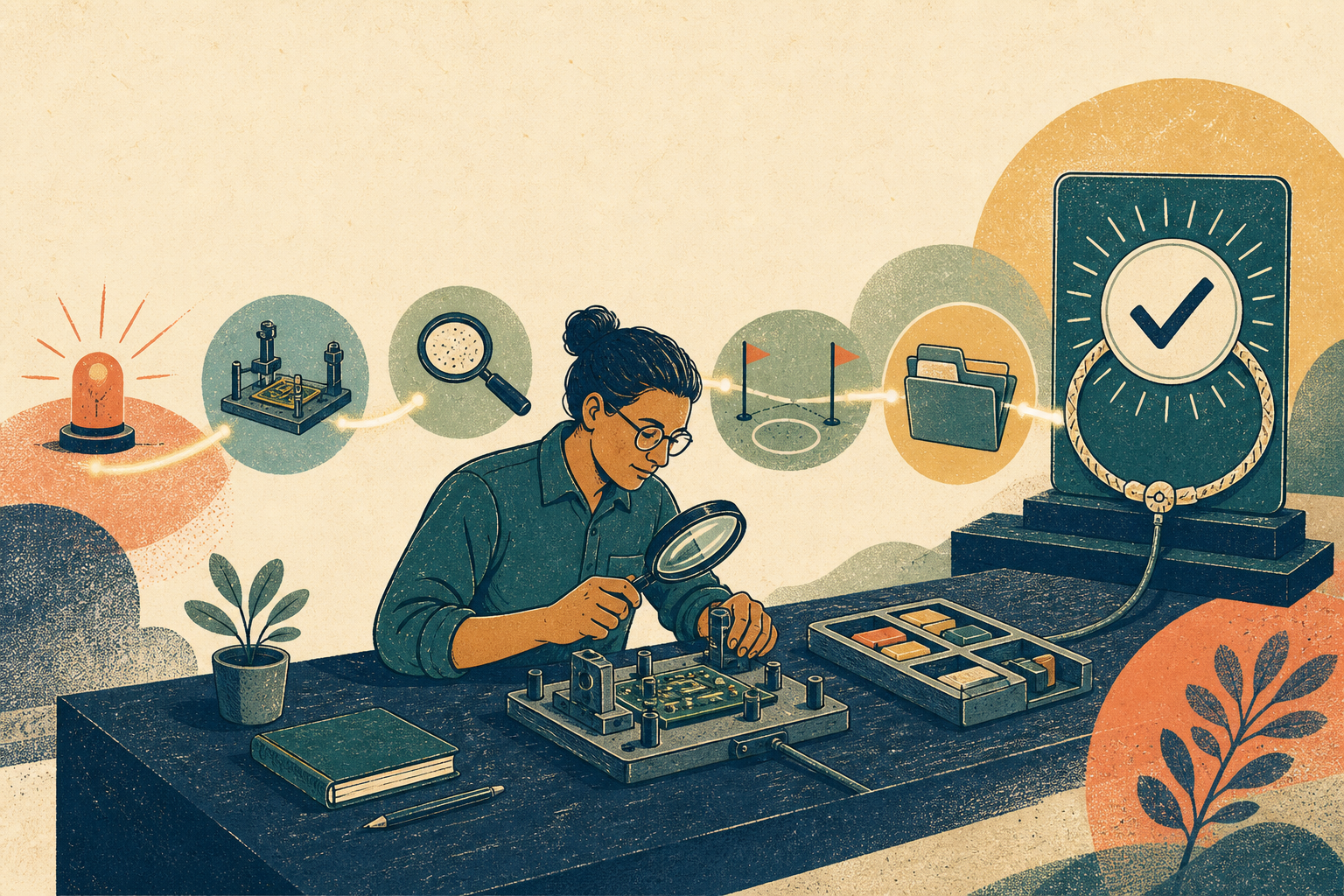
AI can now hand you a long list of suspicious code before your first coffee. That does not make you a strong reviewer. The stronger career signal is what happens after the alert: whether you can reproduce the failure, establish who and what it affects, separate urgency from theater, give the right owner usable evidence, and verify that the fix closes the path without creating another one.

Your AI Portfolio Needs to Prove the Workflow Survives a Handoff

· 17 min read
Your AI Portfolio Needs to Prove the Workflow Survives a Handoff

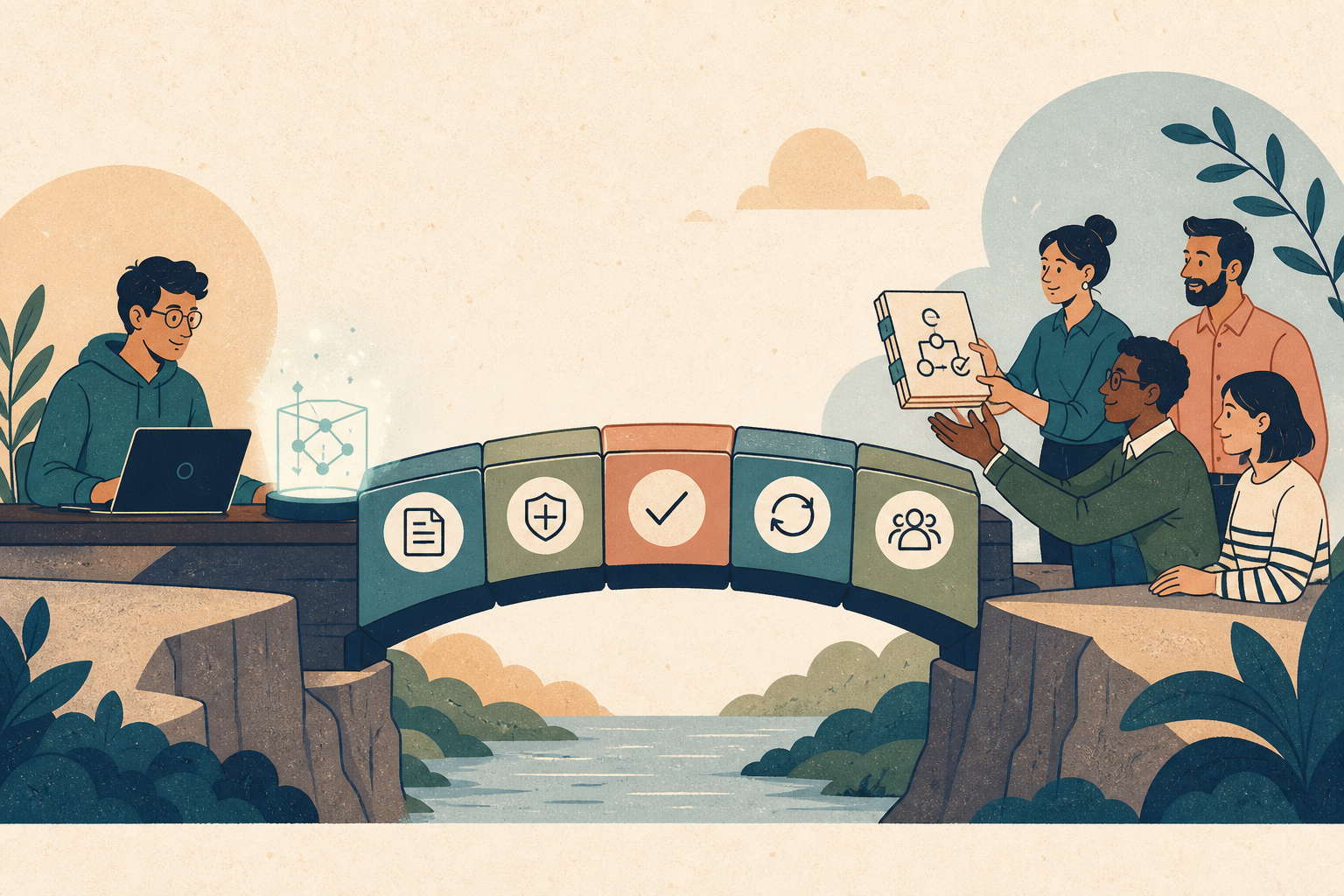
An AI demo can look extraordinary while being almost useless to a team. It works in its creator's account, with an undocumented prompt, a convenient dataset, and a sequence of corrections nobody recorded. The output is polished. The process disappears as soon as its author leaves the room. For a hiring team, a more useful career signal is whether another person can understand the system, run it inside clear boundaries, detect a bad result, and take responsibility for what happens next.

AI Is Expanding Your Job Before Your Title Changes

· 19 min read
AI Is Expanding Your Job Before Your Title Changes

AI is changing jobs in a quieter way than the usual replacement headlines suggest. Your title may stay the same while your task mix expands into analysis, troubleshooting, writing, operations, or product work that once required a handoff. That expansion can become valuable career evidence, but only if you can show more than access to a model. You need to connect the borrowed task to your real role, explain the judgment you supplied, and prove the output deserved to be used.

AI Can Expand Your Range Without Expanding Your Judgment

· 18 min read
AI Can Expand Your Range Without Expanding Your Judgment

AI agents can help a backend engineer ship a usable interface, a recruiter automate data cleanup, or an analyst build a small internal tool. That expanded range is real work and worth claiming. The mistake is treating every finished artifact as proof of equal judgment across every domain it touched. AI can widen what you can complete much faster than it widens what you can diagnose, review, or safely own.

The Best AI Candidates Know What Context to Add - and What to Leave Out

· 14 min read
The Best AI Candidates Know What Context to Add - and What to Leave Out

A lot of candidates still describe AI work as if the achievement were sheer prompt volume: more docs, more context, more system instructions, more connected tools. As agents move into longer, cross-functional work, the stronger signal is almost the opposite. Good candidates can tell what the model already knows, add only the missing or current context, block the wrong default path early, and keep the workflow trustworthy once it starts moving.[1][2][3]

Agentic Coding Is Raising the Value of Domain Expertise

· 15 min read
Agentic Coding Is Raising the Value of Domain Expertise

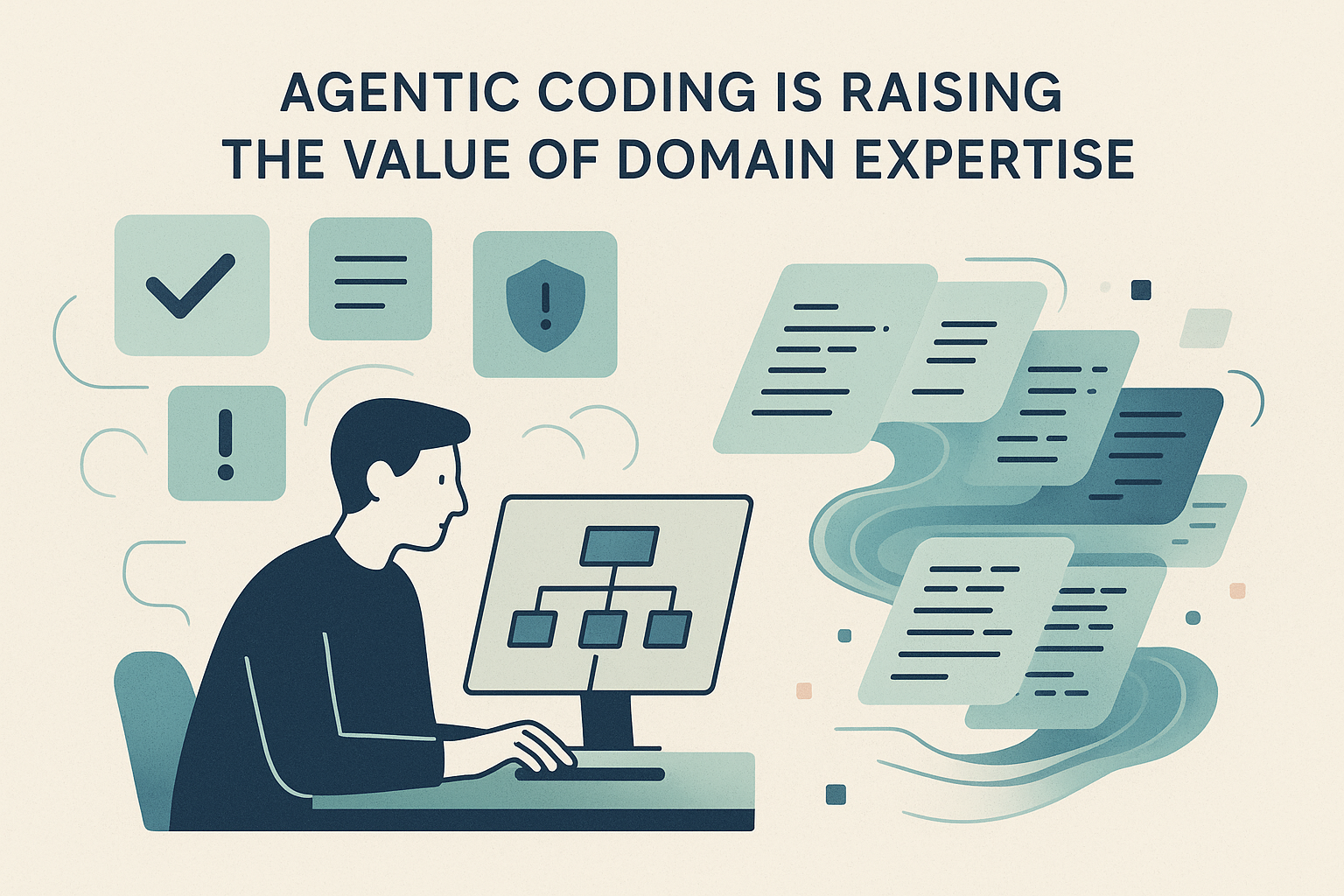
The lazy story says agentic coding will flatten expertise because more people can now produce software. The better story is almost the opposite: as implementation gets cheaper to delegate, the value shifts toward people who know what should be built, what it must respect, what can go wrong, and how to tell whether the output is actually good.[1][2][3]