26 posts tagged with "portfolio"

View All Tags

The Entry-Level Tech Ladder Is Breaking. Junior Candidates Need a Different Playbook.

· 7 min read

The Entry-Level Tech Ladder Is Breaking. Junior Candidates Need a Different Playbook.

The old junior playbook assumed the ladder would hold: finish the degree or bootcamp, ship a few generic projects, mass-apply, and let your first employer teach you the rest. In 2026, that ladder is less reliable. SignalFire's 2026 tech talent report, based on its proprietary hiring dataset, says entry-level hiring is down sharply from 2019 at both big tech firms and startups. Handshake says software engineering fell to ninth among the most-posted early-career roles for the 2024-2025 school year, while NACE says employers continue to value hands-on experience, internships, and career-readiness skills in a cautious graduate market.[1][2][4]


Most Technical Portfolios Are Proof-of-Existence, Not Proof-of-Work

· 6 min read
Most Technical Portfolios Are Proof-of-Existence, Not Proof-of-Work

Most technical portfolios prove that a project exists. There is a screenshot, a stack, a demo, and perhaps a repository. None of those automatically prove that the candidate diagnosed the right problem, made a consequential choice, or learned from the result. Strong technical portfolio examples make judgment inspectable. They show why the work took its final form and which parts of that form belong to you.

The Best AI Candidates Know What Context to Add - and What to Leave Out

· 14 min read
The Best AI Candidates Know What Context to Add - and What to Leave Out

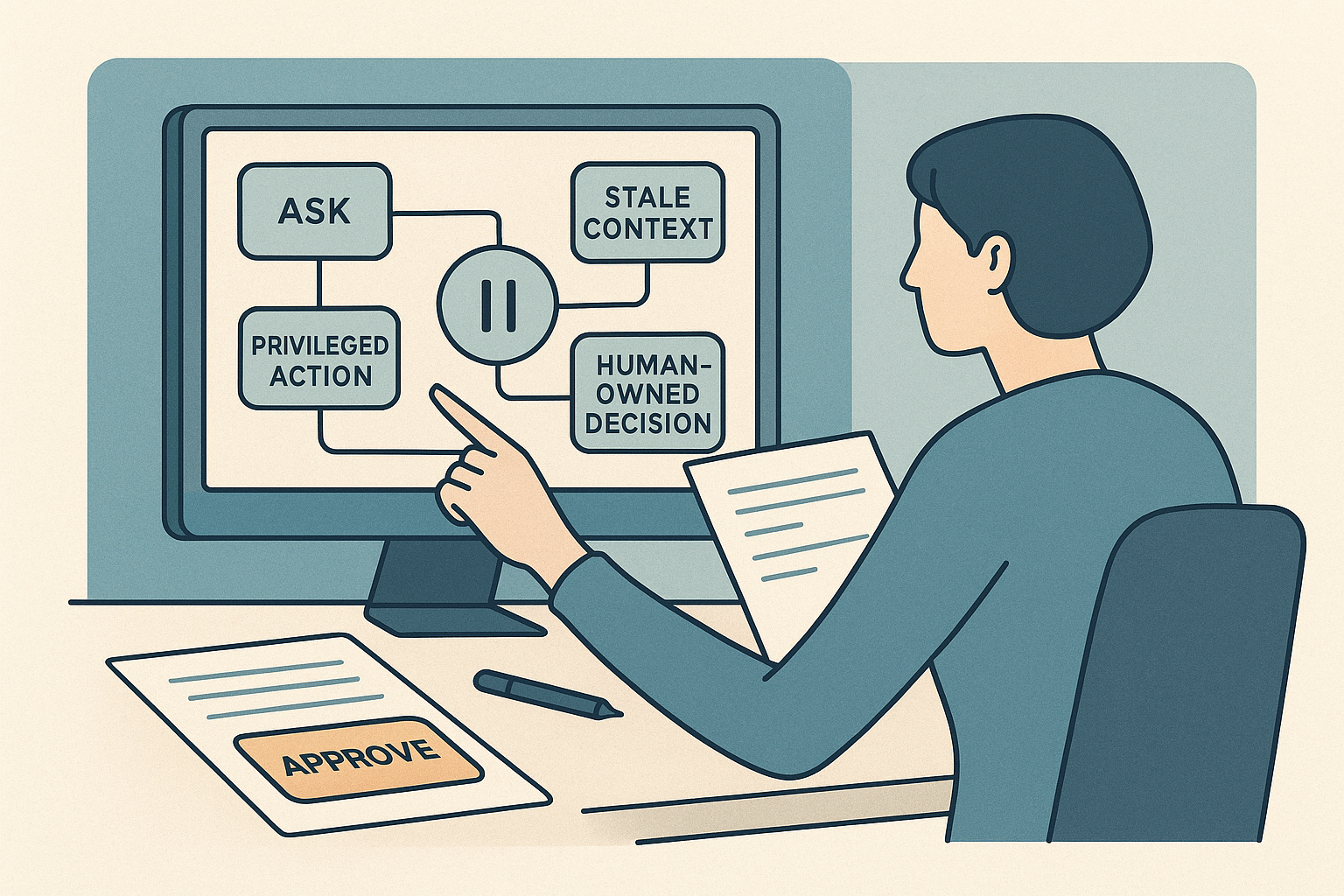
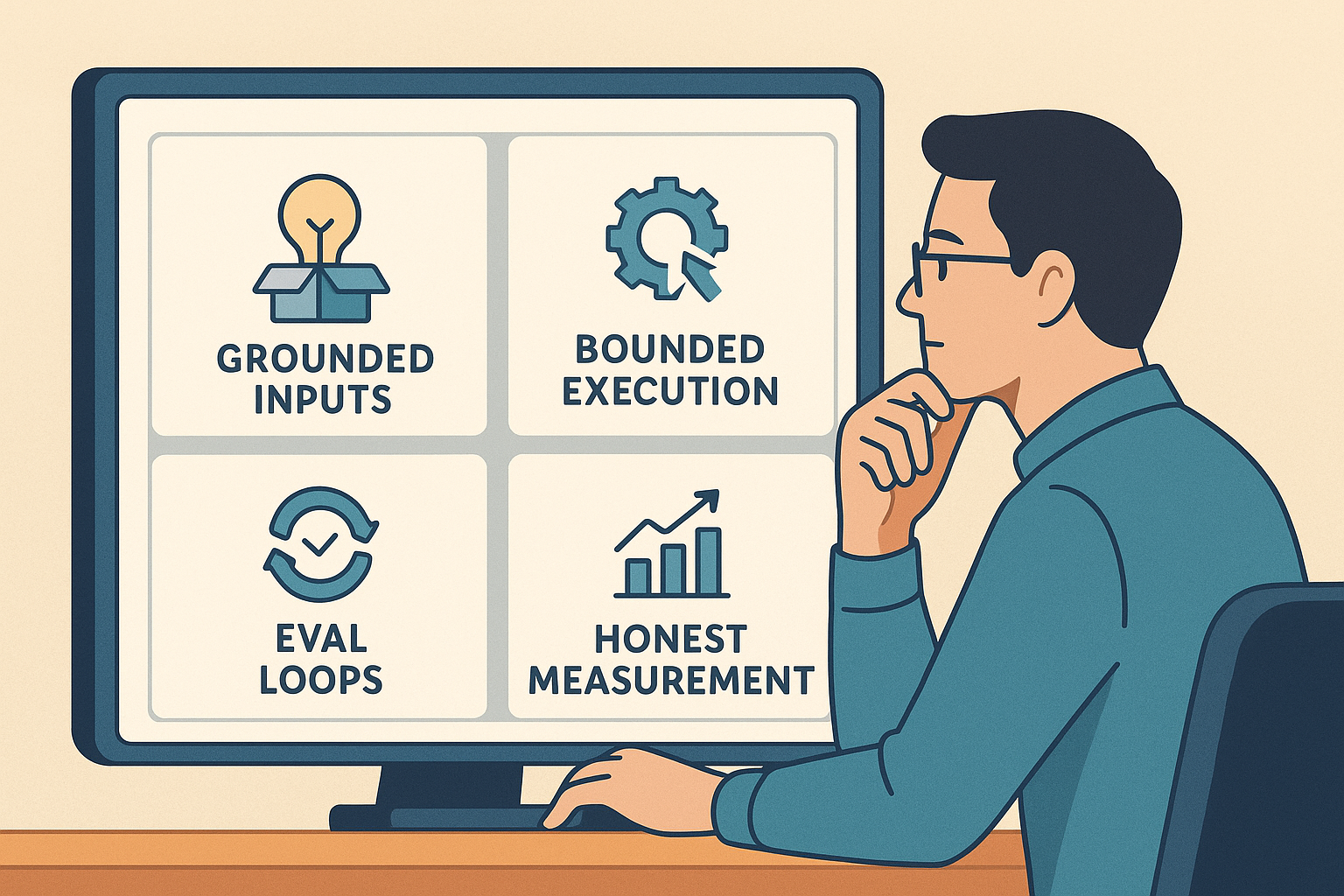
A lot of candidates still describe AI work as if the achievement were sheer prompt volume: more docs, more context, more system instructions, more connected tools. As agents move into longer, cross-functional work, the stronger signal is almost the opposite. Good candidates can tell what the model already knows, add only the missing or current context, block the wrong default path early, and keep the workflow trustworthy once it starts moving.[1][2][3]

Agentic Coding Is Raising the Value of Domain Expertise

· 15 min read
Agentic Coding Is Raising the Value of Domain Expertise

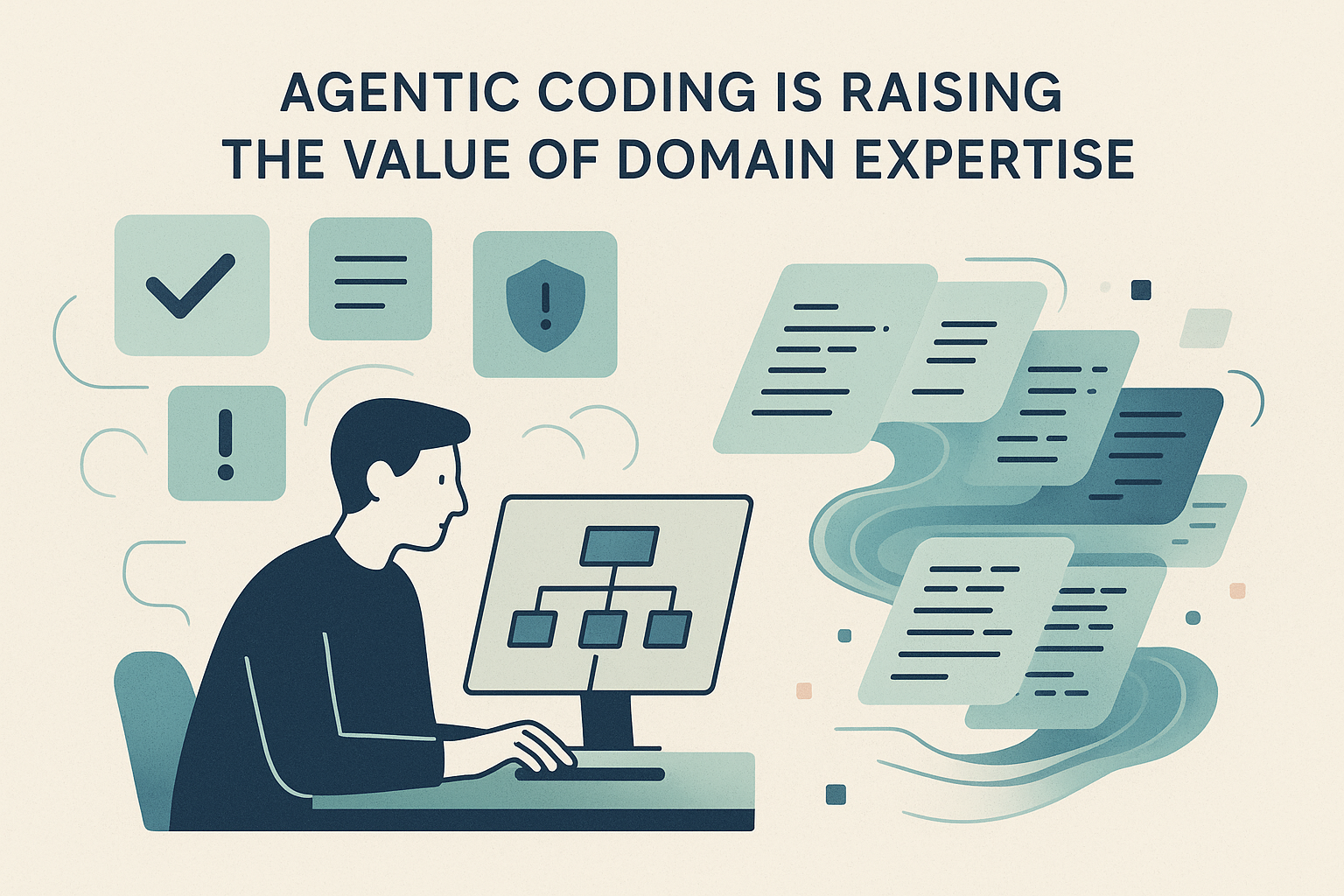
The lazy story says agentic coding will flatten expertise because more people can now produce software. The better story is almost the opposite: as implementation gets cheaper to delegate, the value shifts toward people who know what should be built, what it must respect, what can go wrong, and how to tell whether the output is actually good.[1][2][3]

The Right Way to List AI-Assisted Projects Without Sounding Like You Pressed a Button

· 7 min read
The Right Way to List AI-Assisted Projects Without Sounding Like You Pressed a Button

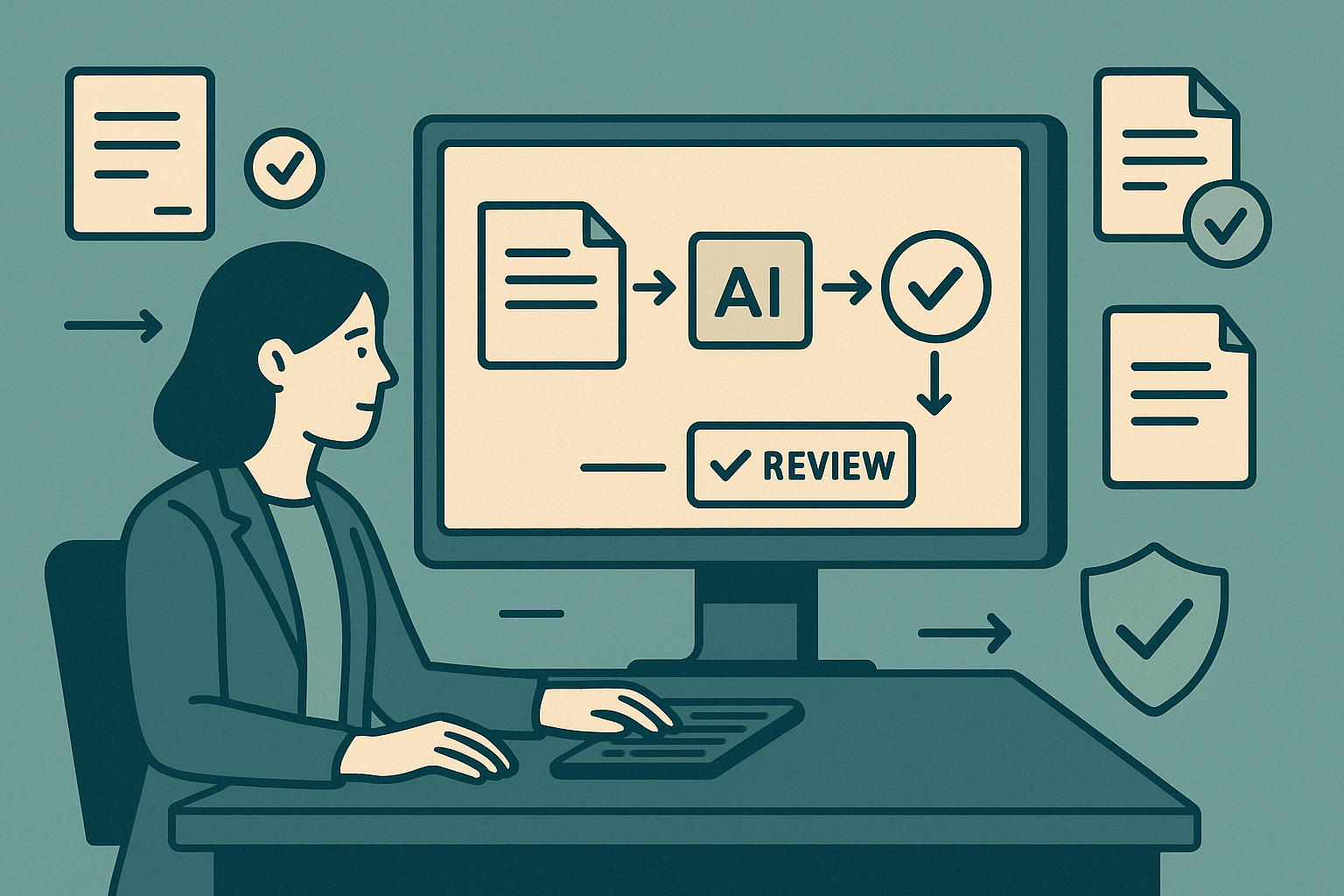
A lot of AI project descriptions already sound interchangeable. "Built with ChatGPT," "used Copilot," and "leveraged LLMs" tell a hiring team almost nothing about the problem, the difficulty, or whether the result held up under real use. Stronger resume guidance still points to the same standard: be specific, show relevant accomplishments, and make the work easy to evaluate quickly.[1][2][3]

Security Clearance, Regulated Work, and NDAs: How to Talk About Confidential Technical Experience

· 8 min read
Security Clearance, Regulated Work, and NDAs: How to Talk About Confidential Technical Experience

A lot of strong technical candidates have the same frustrating problem: their best work happened inside environments where they cannot name the customer, the system, or the exact implementation details. That does not mean the work has to disappear behind empty phrases like "worked on confidential projects." Strong resumes still need specificity, relevance, and visible accomplishment.[1][2][3][4] The trick is not to reveal more. It is to make the safe parts legible.